

In a environment filled with screens and online distractions, magnetic shapes have appeared as an captivating resource for education and imagination in youngsters. These bright, shaped shapes offer more than just captivating play; they provide the door to a world of options, fostering a abundant setting for creative construction and discovery. As Magnetic Blocks arrange, join, and modify these blocks into a multitude of forms, they set out on a journey that blends entertainment with educational development.
From early childhood development to advanced analytical skills, magnetic pieces serve as an incredible resource for caregivers, teachers, and supervisors. This write-up delves into the magic of these versatile products, looking into how they promote STEM learning, boost precise motor skills, and encourage creative thought in kids. With a variety of tasks and endeavors to captivate young minds, we will discuss why magnetic blocks truly shine as a must-have in all child's game area.
Imaginative Learning with Attractive Blocks
Magnetic blocks offer kids a unique opportunity to discover their creativity while enhancing essential skills. These flexible toys can be changed into anything from basic shapes to intricate structures, allowing kids to activate their imagination as they play with diverse designs. By providing an flexible play experience, magnetic blocks encourage children to take risks, err, and learn from them, all while playing in the process.
Through the practical experience of handling magnetized blocks, youngsters not only foster their inventiveness but also improve analytical skills. When faced with the task of building specific structures, children must organize, think ahead, and analyze about how to accomplish their idea. This process promotes intellectual development and reinforces the significance of perseverance, as they learn to fine-tune their approach if something doesn’t go as planned.
Furthermore, magnetic blocks have become a favorite resource in educational environments, where instructors incorporate them into various teaching activities. By including these blocks into classroom activities, educators can effectively teach concepts such as shapes, patterns, and engineering principles. This hands-on learning experience holds students' attention and makes challenging subjects accessible, setting the stage for a deeper understanding of STEM concepts while fostering a love for education.
Benefits of Magnetized Constructive Elements in Education
Magnetized constructive elements serve as a potent educational tool, offering many benefits that enhance kids' learning experiences. One of the key advantages is that they promote active learning, allowing students to engage in tactile exploration. As they manipulate these colorful building blocks, kids can visualize concepts like spatial relationships, symmetry, and balance, making abstract ideas more tangible. This form of dynamic learning fosters an environment where students can experiment freely, leading to enhanced understanding and retention of educational ideas.
Additionally, electromagnetic building blocks are essential in developing critical thinking and solution-finding skills. When faced with the difficulty of creating specific structures or designs, kids must think logically and imaginatively to determine how to connect the pieces. This process not only nurtures their ability to organize but also encourages tenacity as they learn to address obstacles and refine their ideas through failures. Such skills are essential, as they prepare students for future academic pursuits and everyday life situations.
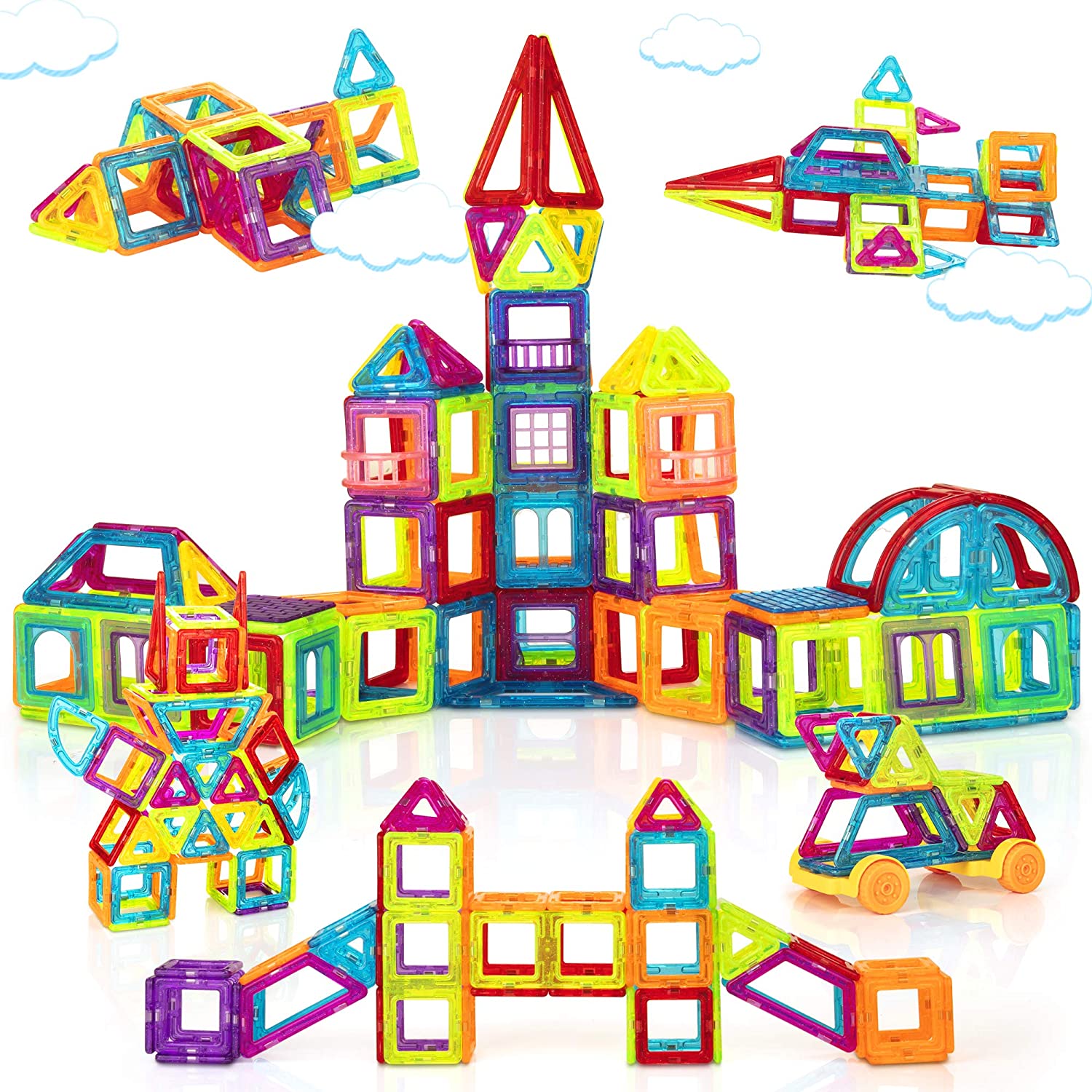
Furthermore, electromagnetic blocks facilitate collaborative play, which is essential in educational settings. When children work jointly to build and create, they develop crucial social skills like verbal skills, cooperation, and flexibility. These engagements help them learn how to share ideas and listen others' perspectives, fostering a sense of togetherness and belonging. By incorporating magnetized constructive elements into group activities, educators can leverage these interactive opportunities to enhance both individual and academic growth.
Entertaining Engagements and Initiatives with Magnetic Building Blocks
These blocks offer countless possibilities for creative play and learning through practical activities. One captivating project is to challenge kids to build a one-of-a-kind animal or creature using the blocks. This activity encourages imaginative thinking and allows children to explore ideas of symmetry and balance while designing their creations. By naming their animals and even creating narratives around them, kids can develop narrative skills and boost their confidence in storytelling.
Another fun activity involves constructing geometric shapes and patterns. Parents or teachers can introduce different shapes such as triangles, squares, and pentagons, encouraging kids to replicate these forms using magnetic blocks. This not only helps children understand fundamental geometry but also enhances their spatial awareness. As they experiment with more complex structures, they learn about symmetry and geometry in an engaging manner, paving the way for a deeper understanding of math concepts.
For family bonding, a magnetic block competition can be organized. Set a timer and challenge families to build the tallest structure or the most creative design within a restricted time. This fosters teamwork, communication, and problem-solving skills while engaging everyone in good-natured competition. Ending the day with a showcase of their creations allows for further discussions about their building approaches and strategies, reinforcing the knowledge acquisition in a enjoyable way.