

Memorial planning can seem like an overwhelming challenge, particularly during a time of mourning. Yet, it is a crucial process that enables families to honor their deceased while ensuring their wishes and requests are respected. Comprehending the various choices available can enable families to make thoughtful decisions that reflect their unique situations and values. This resource aims to demystify funeral planning by offering insights into the key considerations families need to think about when planning a farewell for a cherished person.
From choosing between interment and cremation to exploring the influence of cultural traditions, every choice can feel daunting. However, by tackling each aspect of this process with clarity and purpose, families can create meaningful and personalized services that celebrate the life lived. Whether you're considering pre-planning a memorial service to alleviate the burden on your loved ones or dealing with the urgent needs following a loss, our comprehensive resource will equip you with the information to make wise choices during this challenging time. Let funeral services explore the compassionate options available to help you through the journey.
Essential Steps in Funeral Planning
As you encounter the task of a funeral, it is crucial to handle it in an organized manner. The first step is to gather information about the preferences of the deceased, if identified, and discussing them with family members. This can include choices for burial or cremation, as well as any distinct instructions regarding the type of service or site. Having website can provide clarity and reduce future conflicts later on.
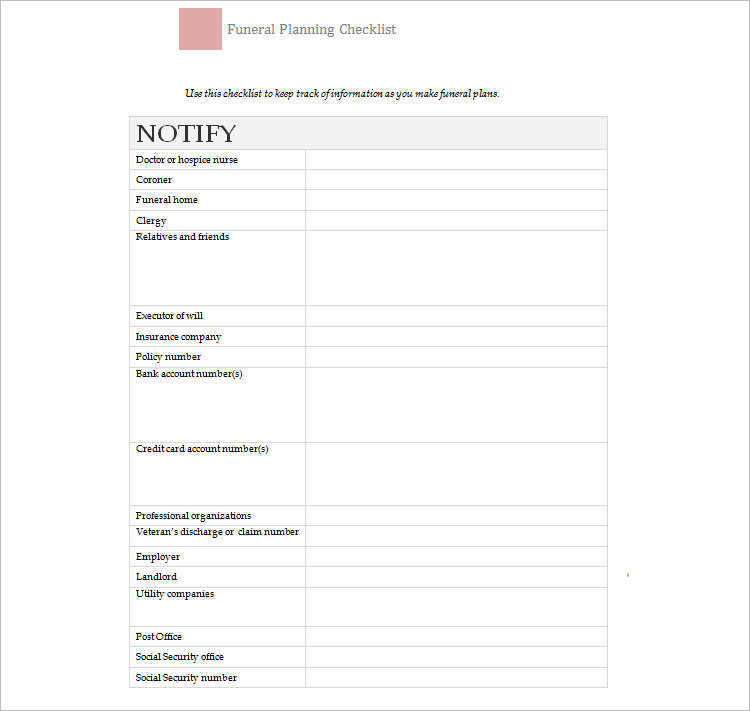
Afterward, it is vital to create a checklist of required tasks. This checklist should contain significant considerations such as selecting a funeral home, acquiring necessary documents, and defining budget constraints. Making a summary of items to discuss with the funeral director can help simplify the planning process. Comprehending the costs associated with different options is crucial in making informed decisions that celebrate the deceased while handling family resources wisely.
In conclusion, as you move forward with the planning, remember the individual elements that can make the service meaningful. Think about the life and personality of the individual being honored. Incorporating personal stories, favorite music, and cherished photographs can create a distinct and heartfelt farewell. By concentrating on what truly matters, families can create a service that truly reflects the life and legacy of their loved one.
Understanding Diverse Funeral Choices
As assessing burial choices, relatives have a variety of choices that can be tailored to fit their individual preferences and wishes. Traditional funerals typically include a viewing, a ritual, and a interment. This option sometimes involves a coffin and may take place in a mortuary or a place of worship. For those looking for a more tailored experience, memorial services provide variation in planning. These services typically occur without the deceased present and can be organized at a location of importance, reflecting the lost loved one's life and values.
Fire-based memorialization is an growing common option to traditional burial. It offers families a option that may be more sustainable, especially when combined with environmentally conscious funeral arrangements. Ashes can be dispersed in a symbolic location, placed in an urn, or even mixed with memorial items. Families should take into account the societal and spiritual beliefs shaping their decisions, as these can heavily influence preferences around ashes scattering versus interment.
It is essential to talk about these options with family members and morticians, who can give critical assistance. Comprehending the differences among different services and how they can be customized to honor a loved one’s life can alleviate the weight of decision-making during a hard time. By considering these diverse funeral options, families can design a significant honor that reflects with their shared experience and beliefs.
#### Managing Expenses and Financial Planning for End-of-Life Services
Comprehending the expenses tied to funerals is crucial for efficient planning . Funerals can range significantly in price depending on decisions made , from the type of service to interment or incineration options, as well as even the venue. Families should begin by exploring local funeral homes and their cost breakdowns. Many facilities provide transparent pricing, which allows families to understand exactly what they are paying for and offering the chance to review services and costs . Clarity in costs can help prevent any unexpected bills.
Creating a financial plan is a helpful measure in managing funeral costs. Start by determining how much money you can realistically spend and focus on the components that matter most to your family. Consider Go here as location costs, caskets or urns , travel, and any extra services like food services or memorial keepsakes. It can be helpful to talk about these preferences with other family members to achieve a consensus on what to devote more funds toward and where to cut back.
Finally, it’s essential to recognize that there are different support resources available to help with funeral expenses . Many insurance policies offer benefits for funeral costs, and charities may provide financial assistance for families dealing with unexpected losses. Additionally, considering pre-planning can help secure prices and lessen future burdens . By being knowledgeable and proactive , families can manage these costs with ease and achieve a meaningful goodbye without financial strain .