

As a property owner, ensuring the safety and functionality of your electrical installations is paramount. This is where an Electrical Installation Condition Report, or EICR, comes into play. Often a necessity for landlords and a smart choice for all property owners, an EICR provides a comprehensive evaluation of the electrical installations in your home. Understanding its importance can help you avoid potential dangers and expensive repairs.
In this post, we will discuss the ins and outs of EICRs. From what Electrician Inspection Condition Reports Kirkcaldy Fife assess to how often you should get one, we will decode the essential details homeowners need to understand. With EICR Fife into typical concerns identified during inspections and guidelines for preparing your home, our objective is to empower you with insights that ensures your system is secure and in accordance with regulations. Whether https://postheaven.net/birchsilver99/electrician-inspections-conditioned-reports-safeguarding-the-property-and are a landlord or a landlord, maneuvering through the world of electrical inspections will become much clearer.
Understanding Electrical Installation Condition Reports
An Electrical Condition Report, commonly known as a Electrical Installation Condition Report, represents one thorough assessment of a safety of the electrical system of a property. The document plays a vital role in ensuring that electrical installations are safe and meet regulatory requirements. This report points out any deficiencies or possible hazards in the electrical system, offering essential insights for tenants as well as property managers alike.
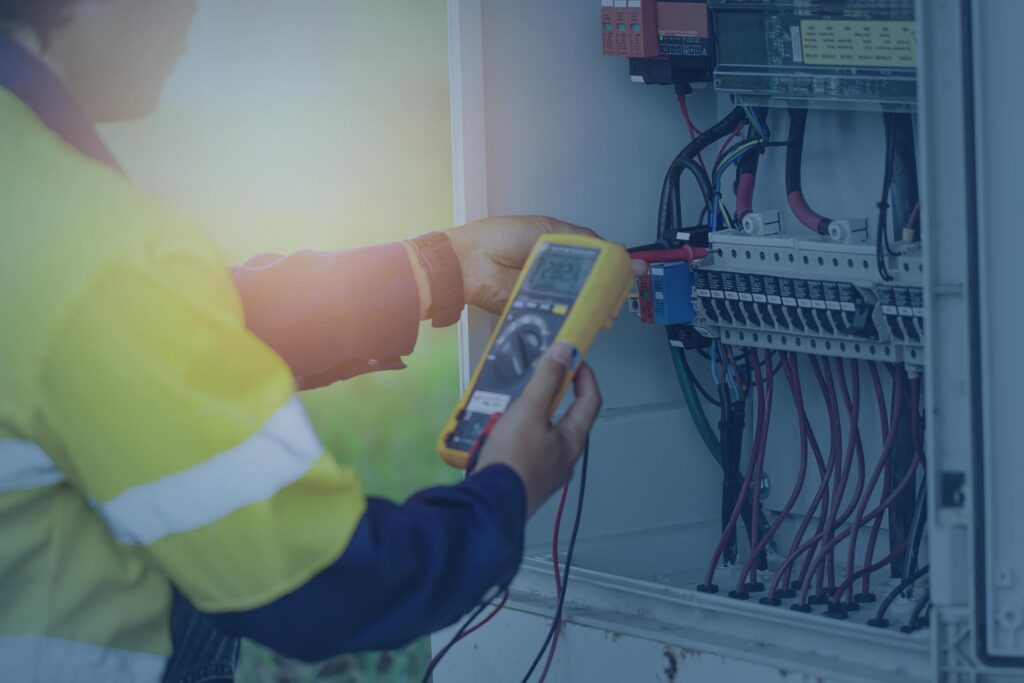
Throughout an EICR, a qualified electrician examines multiple elements of the overall electrical infrastructure, including cabling, safety switches, and electrical fittings. The inspection searches for signs of wear, deterioration, and conformance with up-to-date electrical regulations. This report describes the condition of the various systems, organizes the problems identified, and offers recommendations for necessary repairs or improvements.
Comprehending an EICR is important for property owners to preserve the safety and operability of their systems. With consistent routine checks and responding to any issues outlined in the report, landlords can safeguard their buildings from risks associated with electricity, confirm compliance with the law, and enhance the safety of their living environments.
Importance of Frequent Electrical System Assessments
Frequent electrical inspections are vital for maintaining the protection and operability of a building's power. As time goes by, wear and tear can result in wiring, devices, and other parts to deteriorate, potentially leading to dangers such as fire fires or system breakdowns. By having reviews performed on a regular basis, homeowners and lessors can identify potential concerns before they escalate, protecting both the home and its residents.
Additionally, power inspections help uphold conformance with security guidelines and requirements. For lessors, conducting an Electrical System Review is often a statutory duty to maintain the well-being of tenants. For residential owners, having recorded assessments can be advantageous when transferring the property or securing protection, as it demonstrates a commitment to safety and upkeep.
Furthermore, regular assessments help to the longevity and efficiency of electrical installations. Detecting and addressing minor problems promptly can stop expensive fixes in the future and encourage energy efficiency. This forward-thinking strategy not only boosts security but also provides peace of mind to building landlords and tenants alike, realizing that the power systems in their buildings are secure and reliable.
Preparing for & What to Anticipate During an Inspection
Preparing for an electrical inspection requires confirming that your property is easy to access and any potential hazards are taken care of. Ahead of the electrician coming, clean up any clutter around electrical panels, outlets, and light fixtures. This will allow for a thorough examination clear of obstacles and help the electrician perform their job effectively. Moreover, it's sensible to inform the inspector of any existing electrical issues or concerns you have observed, as this can guide their inspection process.
During the inspection, the electrician will check various parts of your electrical system, including wiring, outlets, circuit breakers, and grounding mechanisms. They will inspect for signs of wear, outdated systems, and possible safety hazards. You can expect them to use specialized tools, like multimeters and insulation resistance testers, to carry out their checks. Depending on the size and complexity of your property, the inspection may take anywhere from a couple of hours to half a day.
Following the inspection is complete, you will receive an Electrical Installation Condition Report that details the findings. This report will detail any issues discovered, including recommendations for repairs or upgrades. If problems are found, the electrician may discuss urgent issues that demand prompt action versus those that can wait. Getting ready for this discussion can aid you make informed decisions about your property's electrical safety and maintenance needs going forward.