

As more folks look for sustainable lifestyle alternatives, firewood stoves have become growing more and more favored as an an eco-friendly heating source option. These charming appliances not only provide warmth and also connect us to a time-honored tradition of leveraging natural resources for fuel. During this time in which efficiency and environmental awareness is at the lead of home renovation conversations, recognizing the merits of wood stoves can enable homeowners to arrive at wise selections.
In this article, we shall explore the many benefits of installing a wood burning stove in your home. With improved heat efficiency to possible financial savings, these units present a multitude of benefits. Whether you are a complete beginner or someone looking to upgrade your current arrangement, we will guide you in learning about everything about firewood stoves, covering how to choose the appropriate model, advice on secure use, and maintenance advice which ensures your device remains functional for many years to come. Accompany us while we dive into the captivating realm of wood stoves and their contribution in building a cozy sustainable environment.
Advantages and Efficiency of Wood Burning Stoves
Wood stoves offer a variety of benefits that make them an appealing heating option for many homeowners. One of the primary benefits is their ability to generate substantial heat while being more eco-friendly compared to traditional heating methods. Utilizing wood as a sustainable resource, wood burning stoves can greatly reduce reliance on fossil fuels, contributing to a smaller carbon footprint. Additionally, new advancements in stove technology have led to improved combustion efficiency, which means more heat is produced from less wood, making them a budget-friendly choice for heating spaces.
Another major benefit is the atmosphere that wood burning stoves provide. https://graph.org/Establishing-Ambiance-In-What-Manner-a-Wood-Burning-Stove-Change-Your-Home-10-12 of a crackling fire creates a cozy and inviting atmosphere, enhancing the overall aesthetic of a home. This cozy atmosphere goes beyond just decoration, often encouraging socializing and creating cherished family moments around the hearth. Furthermore, the independent nature of wood burning stoves allows homeowners to enjoy heating without being dependent to gas or electricity, making them a flexible option, especially in rural areas or during power outages.
When assessing efficiency, wood burning stoves have been shown to improve overall home heating performance. Unlike traditional heating systems that may use up a large amount of energy, these stoves can deliver focused warmth directly to the living space. Many new wood stoves come equipped with advanced features such as secondary combustion and insulation, which enhance their efficiency and minimize heat loss. As a result, well-maintained wood burning stoves can offer efficient heating solutions while also being kinder to the environment.
Installation and Security Considerations
When installing a fireplace stove, proper placement and clearance from fire hazards are crucial for safety. The stove should be set up on a non-combustible base and have adequate space around it according to local building codes. Ventilation is also vital, as it ensures that toxic fumes are vented outside while allowing sufficient air to sustain the fire. Working with https://squareblogs.net/pumplawyer16/the-eco-friendly-option-wood-burning-fireplaces-explained can help determine the best location and ensure that all safety standards are met.
Safety precautions should not be neglected during installation. A chimney pipe must be properly installed to prevent the accumulation of creosote, which can lead to chimney fires. Additionally, using a stove with certification from recognized bodies can reassure users of its adherence with safety regulations. Installing a carbon monoxide detector in the vicinity of the stove further enhances safety, alerting residents to potential dangers associated with incorrect ventilation or faulty devices.
Ongoing care plays a significant role in the safe operation of fireplaces. Regular inspections and cleanings are necessary to ensure efficient operation and to reduce the chances of fire hazards. Homeowners should familiarize themselves with their stove's user guide to understand the best practices for usage and care. These steps not only extend the life of the stove but also create a comfortable and secure environment for the home.
Maintenance and Guidelines
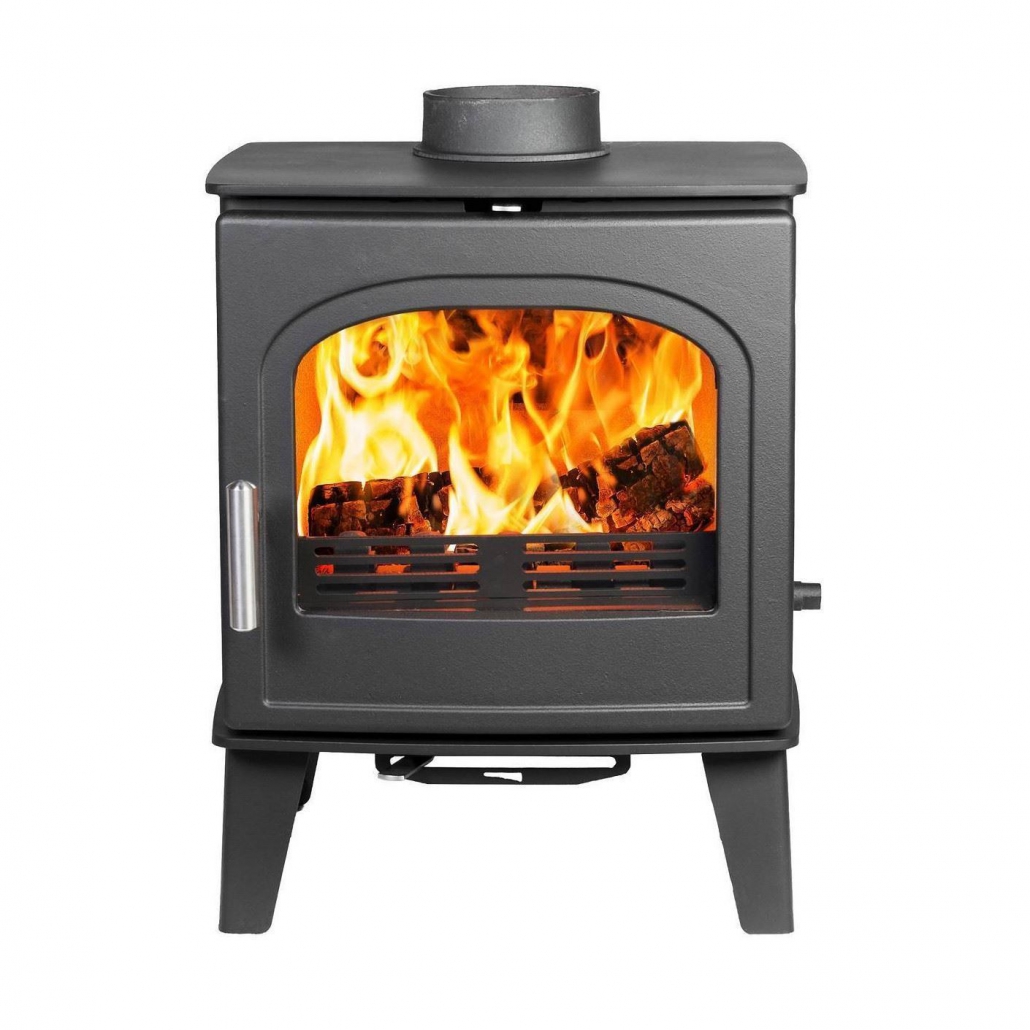
Routine maintenance is essential for promoting the efficient operation and longevity of your wood burning stove. To maintain your stove in prime condition, perform systematic inspections to check for any damage or buildup of creosote in the flue and chimney. Cleaning the chimney at minimum one time a year is necessary to prevent chimney fires and enhance better airflow. Additionally, inspect gaskets and seals to ensure they are airtight, as a well-sealed stove boosts efficiency and minimizes smoke emissions.
Correctly selecting and storing your firewood significantly impacts the performance of your stove. Use seasoned hardwoods rather than softwoods, which tend to produce more ash and creosote. Store your firewood in a moisture-free, well-ventilated space to prevent moisture content from becoming too high. Moist wood may produce excessive smoke and lower heating efficiency, so target wood with a moisture content below 20% for the best results.
Finally, understanding the operation of your wood burning stove will contribute to secure and efficient usage. Familiarize yourself with the controls and ensure you are lighting and maintaining your fire effectively. Avoid overloading the stove with wood, as this can lead to excessive smoking and overheating. By following these best practices, you will not only enhance your heating experience but also ensure your wood burning stove remains a valuable addition to your home for an extended period to come.