

Short chains of amino acids are short chains of amino acids that perform a crucial role in a wide array of biological functions. They act as indicators, hormones, and even as therapeutic agents, making them a key focus of modern scientific research. Comprehending peptides is vital for investigating the complexities of cellular communication and the mechanisms that underlie biological processes. This article intends to navigate readers through the captivating world of peptide science, from the basic definitions and functions to the innovative research strategies that are leading to new therapeutic applications.
As we explore the therapeutic potential of peptides, it is crucial to clarify what makes these molecules unique compared to proteins and their role in the realm of modern biology. With advances in techniques such as spectrometric analysis and computational biology, researchers are revealing the details of peptide interactions, stability, and synthesis. This thorough exploration will showcase the trajectory of peptides from the lab to potential clinical applications, highlighting their importance in drug discovery and the future of medical science. Travel with us as we unravel the science behind peptides and their transformative potential in therapy and biology.
Grasping Peptides and Their Functions
Peptides are brief sequences of amino acid residues, typically consisting of between 2 and 50 amino acid units. They are the foundational components of proteins and play important roles in various biological processes. While both peptides and proteins are made up of amino acids, the main distinction lies in their size and intricacy. These peptides generally have more straightforward structures and can act as signal molecules, hormones, or neurotransmitters in the body. This functionality is essential for communication between cells, influencing everything from metabolism to immune system reactions.
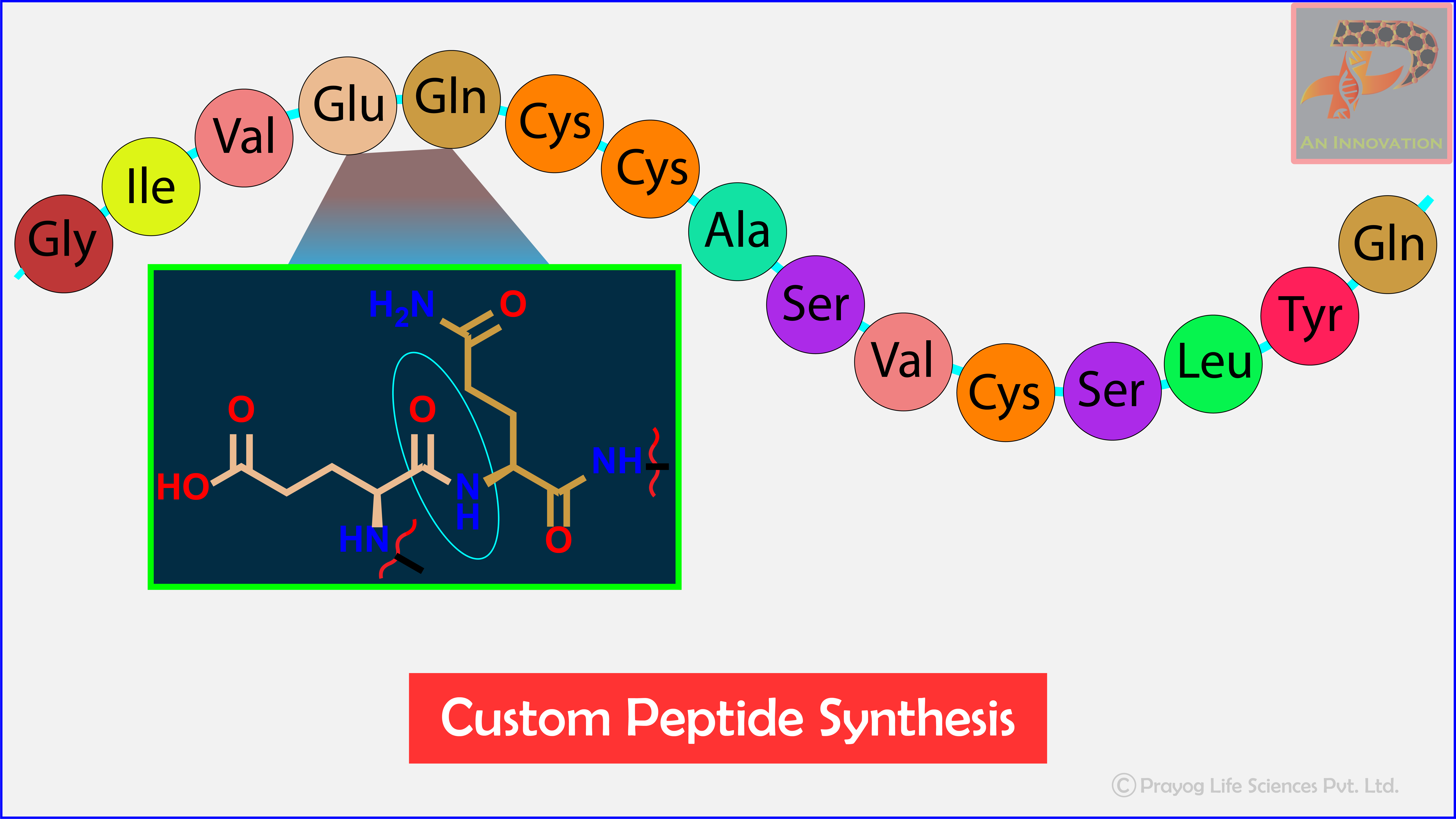
The ways by which peptides communicate with cells are complex and very regulated. Peptide Sciences bind to particular receptors on the membranes of the cells they target, triggering a series of biochemical processes. This binding process is very specific, as the three-dimensional shape of the peptide and the receptor site must match. Once stimulated, these binding sites can initiate multiple responses in cells, such as changing gene activity or changing the behavior of cells. This fine-tuned interaction highlights the significance of understanding peptides structures and functions in the context of cellular signaling.
Investigations into the mechanisms of peptides action is further enriched by progress in technology. Techniques such as mass spec allow scientists to analyze peptide sequences and their associations with proteins in great detail. Additionally, computational biology has emerged as a pivotal tool in peptide discovery, assisting scientists predict how peptides might function in living systems. By grasping these mechanisms, researchers can more effectively utilize the therapeutic potential of peptides in pharmaceutical development and therapeutic strategies.
Peptide Studies: Methods and Applications
Protein research employs a variety of advanced methods to clarify the composition, function, and interactions of proteins. One of the critical methods is MS, which allows scientists to accurately detect and quantify proteins based on their mass-to-charge ratios. This technique is essential for analyzing proteins and assessing their quality, which is important for ensuring reliable results in scientific and therapeutic applications. Additionally, techniques such as high-performance liquid chromatography are frequently used for isolating and purifying peptides, ensuring that researchers work with characterized samples.
In addition to detection and analysis, researchers employ a variety of experimental methods to study peptide activity and function. In vitro tests are often employed to examine how peptides engage with various biological entities, including cell lines and tissue samples. These investigations help to determine the particular effects triggered by proteins, shedding light on their functions in cellular communication pathways. Moreover, computational biology has emerged as a valuable asset in peptide studies, enabling scientists to simulate protein interactions and forecast their biological actions based on amino acid sequences.
The applications of protein research are vast and promising. Peptides are being investigated as potential therapeutic agents, particularly in pharmaceutical development, where they can serve as lead compounds or even as the ultimate medications. Their specificity and ability to attach to specific sites make them appealing options for treatments in areas such as cancer, metabolic disorders, and infections. As techniques continue to advance, the future of peptide research holds great opportunities for developing new therapies that leverage the potential of these biological molecules.
Future Directions in Peptide Science
As peptide science keeps advancing, researchers are progressively leveraging advancements in computational biomedicine to enhance the discovery of peptides and development. The combination of machine learning algorithms with databases of peptides is promoting the detection of novel peptide sequences that could possess therapeutic potential. This strategy not just accelerates the discovery process but additionally boosts the exactness with which investigators can customize peptides for particular biological applications.
Furthermore, the investigation of peptide libraries is becoming to be a transformative in drug discovery. These libraries facilitate the swift evaluation of countless peptides to identify candidates with advantageous properties. This high-throughput capability is vital for discovering potential therapies in treating diseases, particularly in areas where conventional drug approaches have encountered difficulties. The persistent improvement of these techniques will likely improve our understanding of the interactions of peptides and their mechanisms of action in biological contexts.
Looking ahead, there is significant interest in the advancement of peptide-based therapeutics that can penetrate the BBB, offering new treatment avenues for neurological disorders. Advances in peptide alteration and delivery systems are critical to resolving current challenges in peptide robustness and bioavailability. As investigations in this area matures, we could see a major influence on how diseases such as Alzheimer's condition and other neurodegenerative diseases are addressed.