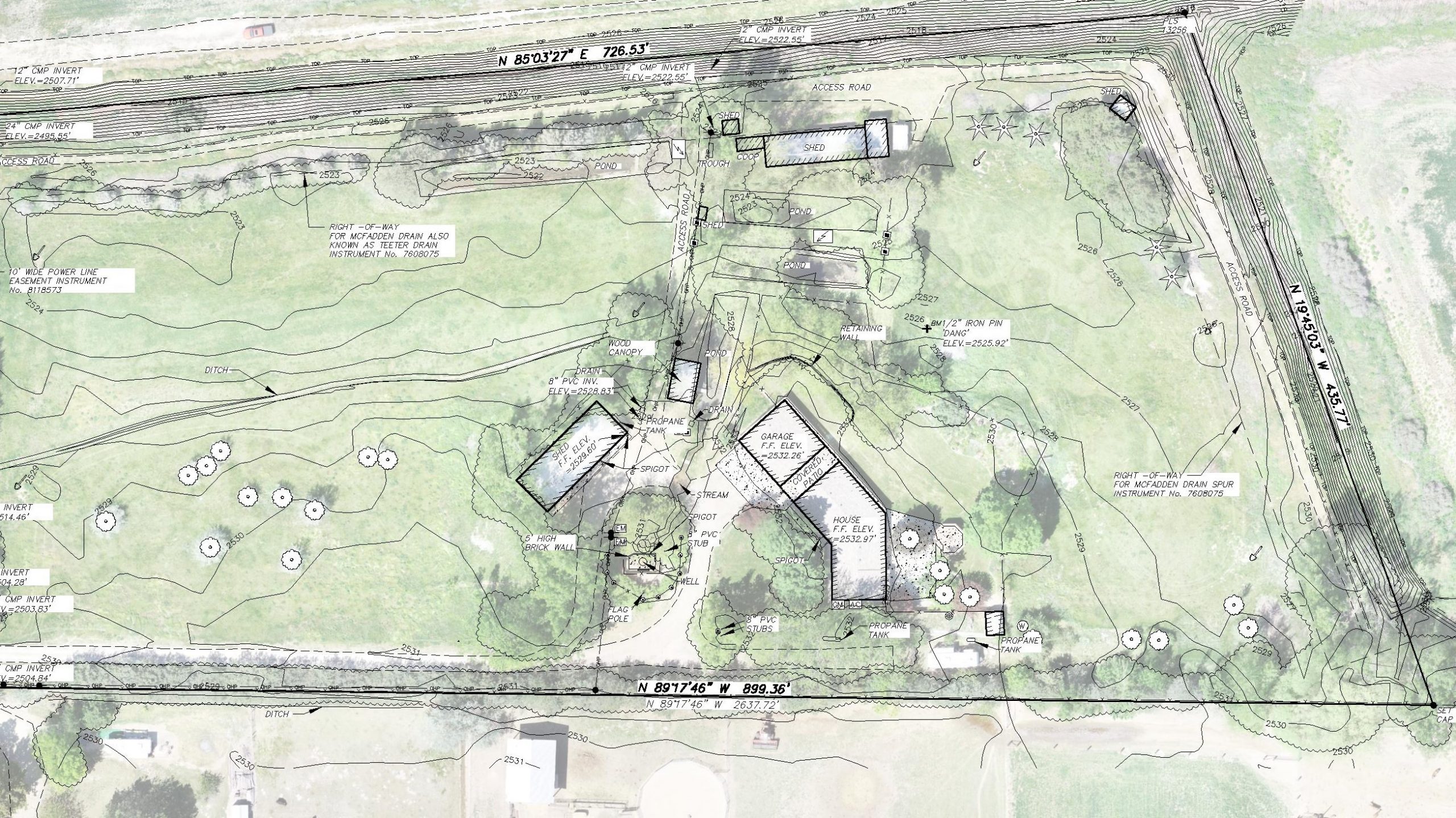
Topographic surveys play a vital role in the planning and building processes, providing important insights into the natural and man-made features of a particular plot of land. They capture comprehensive information about elevations, shapes, and the placement of different site elements, which is essential for designers, engineers, and developers alike. Grasping what Drone Surveys Surrey entails and its importance can mean all the difference in the outcome of any project, from home builds to large-scale infrastructure projects.
With the assistance of modern technology, topographical surveys have become more accurate and efficient, allowing for better planning and decision-making. Whether you are embarking on a new construction project or planning a renovation, knowing when to request a topographical survey is essential. In this guide, we will examine various aspects of topographical surveys, including their applications, advantages, and guidelines, ensuring that you are knowledgeable and prepared for your next project.
Understanding Terrain Assessments
Terrain mappings represent in-depth illustrations of the Earth's landforms, including the placement of natural and artificial characteristics such as elevations, depressions, flora, edifices, and pathways. These mappings offer vital information about the terrain and its profiles, helping experts to understand the intricacies of a site. The information gathered can display elevation changes and surface attributes that directly impact construction, land use planning, and ecological assessments.
The importance of a terrain survey lies in its capacity to shape design choices and planning processes. By precisely representing the physical characteristics of a site, these assessments help designers, architects, and strategists to visualize how proposed developments will align into the existing landscape. This insight aids in recognizing possible obstacles and ensures that designs comply with local laws and environmental considerations.
Utilizing modern technology has significantly boosted the reliability and productivity of terrain mappings. Tools including GPS, drones, and laser scanning give detailed measurements and facilitate rapid data acquisition over large areas. As a result, landform assessments not only reduce time and resources but also produce reliable data that supports successful decision-making throughout the lifecycle of a project.
Importance and Applications
Land surveys perform a essential role in land development and construction projects by providing detailed and accurate representations of a site's physical features. Comprehending the differences in terrain, elevation, and boundaries enables architects and engineers to make educated decisions during the design process. These surveys support effective strategy, helping to identify potential challenges such as slopes, drainage patterns, and nearby structures. Without a clear understanding of the land characteristics, projects can encounter delays, unforeseen costs, and even dangers.
The applications of land surveys reach across various fields, including housing, business, and industrial development. For housing projects, these surveys assist in site assessments, ensuring adherence with local construction regulations and zoning regulations. In commercial and industrial settings, topographical surveys bolster infrastructure development, site planning, and environmental assessments. Additionally, they serve a significant role in larger infrastructure projects like roads and bridges, where specific elevation data is essential for design and safety.
Modern technology has further enhanced the value and accuracy of topographical surveys. Tools like GPS, drones, and laser scanning have overhauled traditional surveying methods, allowing for faster data collection and enhanced precision. This technological innovation not only conserves time and cuts costs but also improves the overall quality of the surveys. As a result, topographical surveys have become critical in the efficient execution of building projects, ensuring that every facet of a site are thoroughly evaluated before work begins.
Opting for a Terrain Survey Provider
Selecting the appropriate provider for your geospatial survey is crucial to guarantee accuracy and reliability. Start by researching companies that focus in topographical surveys and have a demonstrated track record in your specific project type, be it home-based, commercial, or infrastructure-focused. Look for ratings, endorsements, and illustrations that demonstrate their proficiency and past successes. It's important to ensure if they utilize modern technology and techniques, such as GPS, drones, and laser scanning, which can enhance the caliber and efficiency of the survey.
Additionally, evaluate the credentials and expertise of the surveyors. Verify if they are licensed and have the required licenses to work in your area. A knowledgeable team will not just provide exact measurements but can also give insights into site constraints, drainage design, and compliance with local regulations. This skill is invaluable during the initial phase of your project, as it can impact design choices and help mitigate costly hold-ups.
Lastly, talk about the costs and deadlines associated with their offerings upfront. A transparent provider will offer you a thorough overview of what to anticipate, including any extra fees for specialized services. Knowing the range of their work and how long the survey will last is crucial for matching with your project schedule. By taking the time to pick a competent and reliable topographical survey service, you create a solid groundwork for the prosperity of your construction project.