

In the modern fast-paced world, finding moments of calm and tranquility is more important than ever. A highly effective method to cultivate a sense of well-being is through thoughtful landscape design. By transforming your outdoor spaces into serene retreats, you can create a healing space that enhances your psychological and emotional health. Regardless of whether you have a large backyard or a cozy front yard, there are countless ways to craft a landscape that encourages relaxation and a bond with nature.
This article delves into various aspects of landscape design that can help you create the perfect outdoor haven. With tips on everything from including low-maintenance features to selecting the right plants, we will explore best design ideas that enhance the beauty of your environment while soothing your spirit. You will discover how to integrate different styles, make use of lighting effectively, and even design edible gardens, all tailored to your unique situation. Whether you are a beginner or a experienced homeowner looking to renew your outdoors, the journey to a peaceful retreat begins with inspiration and innovation.
Top Garden Planning Tips for The Outdoor Area
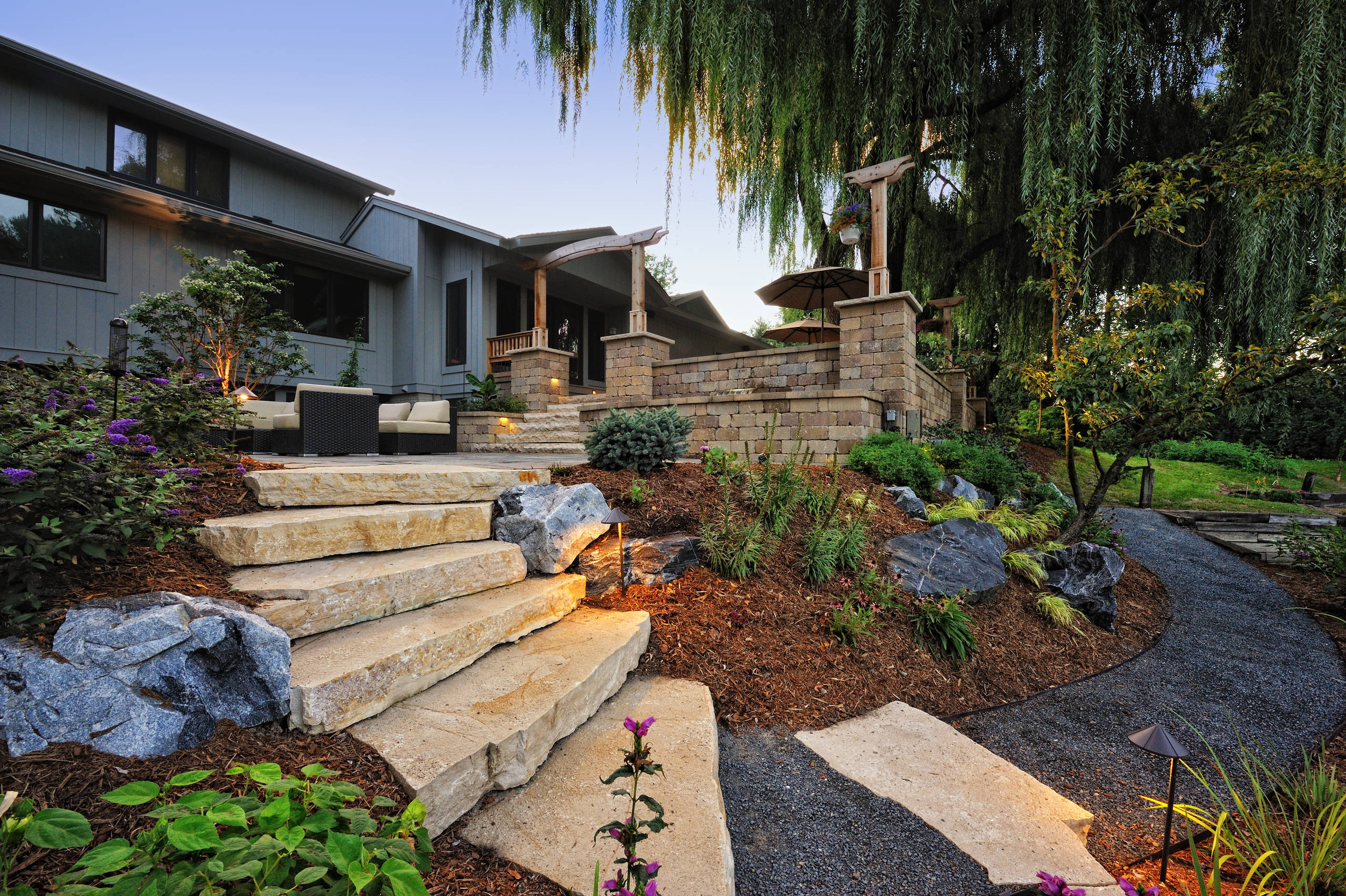
Changing the outdoor area into a peaceful oasis starts with meticulous planning and considerate layout. One of the most impactful ways to elevate your area is by incorporating a range of plants and flowers that flourish in the specific climate. Opting for a combination of colorful perennials, fragrant spices, and eye-catching seasonal flowers can create a breathtaking environment that transforms throughout the seasons. Using native plants not only adds beauty but also supports local wildlife and reduces maintenance, making your landscape both beautiful and eco-friendly.
An additional key tip is to add hardscape elements such as patios, walkways, or ornamental stone walls. These features aid shape areas within the yard, establishing functional spaces for outdoor entertaining or quiet reflection. Combining hardscaping with softscaping allows for a balanced design that enhances the home while providing form and utility. Consider adding pathways that lead to highlights like a fireplace or a fountain, guiding visitors through the landscape and enhancing the experience of the outdoor space.
Lastly, lighting plays a pivotal role in the overall ambiance of the landscape. Carefully placed lights can illuminate architectural features, draw attention to your favorite plants, or create a warm and inviting atmosphere for evening activities. Think about using energy-efficient LED lighting to illuminate pathways or place spotlights on important elements in your garden. With the appropriate lighting design, your outdoor area can be experienced around the clock, promoting a sense of peace and tranquility that improves the well-being.
Key Advice for Amateur Landscape Designers
Embarking on your landscape design journey can be simultaneously stimulating and daunting. One of the initial steps is to assess your outdoor space meticulously. Consider the current elements such as plants, foliage, and shadow movements. Comprehending the inherent features and challenges of your yard will aid in creating a design that enhances what is existing. Drawing a rough plan of your space, including sizes, can act as a strong foundation for your project.
Choosing the right plants is essential for a thriving landscape. It is important to take into account the weather of your area, soil conditions, and how much care you are willing to invest in. Begin with native plants that flourish in your environment, as they generally require less water and care. Combining diverse heights, colors, and textures can create aesthetic interest and depth in your design, making your outdoor space feel appealing and energetic.
Incorporating hardscaping components like patios, walkways, and garden walls can enhance the overall design by offering structure and functionality. Think about how you want to use your space and create areas for relaxation, entertainment, or play. Moreover, consider the lighting in your design. ARC Landscape design can increase the enjoyment of your outdoor areas into the evening and showcase the beautiful features of your garden, adding warmth and depth to your complete design.
Creating a Sustainable and Welcoming Environment
To create a green and welcoming landscape, start by incorporating local plants into your landscaping. Native plants are specially suited to the regional environment and ground, requiring less moisture and maintenance than non-native species. They also offer crucial habitats for native animals, creating a vibrant habitat right in your backyard. By choosing native plants, you not only enhance the beauty of your environment but also aid to ecological conservation.
Another crucial element of a green landscape is effective moisture management. Consider implementing bioretention areas or permeable surfaces to allow rain to percolate into the soil rather than flow away. Using bark around plants helps keep soil moisture and suppresses weeds. Additionally, adding a rainwater harvesting system can provide an eco-friendly water source for your landscaping, reducing dependence on city water and promoting sustainability.
Finally, careful hardscaping can enhance your outdoor space while minimizing environmental footprint. Use sustainable materials such as repurposed rocks or ethically harvested timber for patios and walkways. Incorporate seating areas and outdoor structures like gazebos that encourage relaxation and engagement with nature. By thoughtfully planning these elements, you create a landscape that is not only visually appealing but also fosters a feeling of calm and belonging in your yard.