

In the dynamic world of competitive racing, every fraction of a second counts. As participants seek to push their cars to the maximum, the art and technique of vehicle tuning become paramount. Whether you are a veteran racer looking to refine your setup or a rookie eager to enhance your lap times, understanding the nuances of competitive vehicle tuning can mean the distinction between standing on the winner's circle and placing in the pack.
This definitive guide to elite vehicle tuning will explore important adjustments and setups that can revolutionize your racing experience. From perfecting suspension tuning to fine-tuning brake bias, each component plays a vital role in optimizing your vehicle for performance. We will examine fundamental concepts like horsepower versus handling, the harmony of aerodynamics, and the influence of tire pressure on race performance. Join us as we embark on a path through the complexities of tuning, providing knowledge that can help you create a victorious vehicle and dominate the track.
Key Tuning Adjustments
In the realm of competitive vehicle tuning, implementing the correct adjustments can greatly affect your lap times and overall performance. An initial consideration is suspension tuning, where finding the optimal balance between comfort and stiffness is crucial. Adjusting settings like ride height and dampening can enhance grip and responsiveness, allowing the vehicle to better handle tight turns and uneven surfaces. A well-tuned suspension can mean the difference between a podium finish and being left behind in the pack.
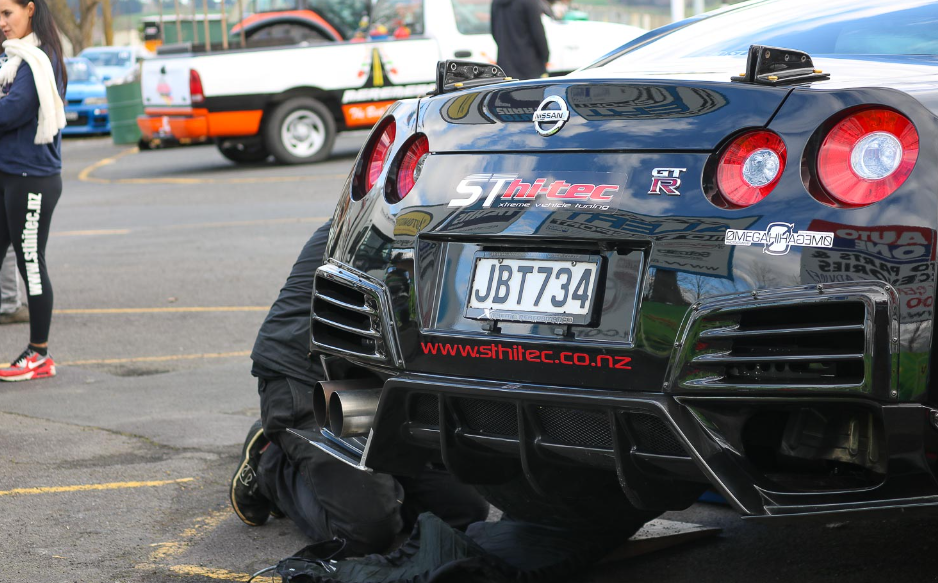
An additional vital adjustment is optimizing tire pressure. This seemingly simple change can have a profound impact on traction and handling. Under- or over-inflated tires can lead to inconsistent performance, affecting cornering ability and braking response. By monitoring and adjusting tire pressure based on track conditions and vehicle setup, drivers can ensure they achieve the maximum contact with the track surface, improving both lap times and tire longevity.
In conclusion, gear ratio tuning plays a significant role in determining acceleration and top speed. By skillfully selecting the right gear ratios, racers can fine-tune their vehicle’s ability to accelerate out of corners and maximize overall speed on the straights. Tweaking gear ratios enables a more tailored driving experience that suits different tracks, helping drivers make the most of their vehicle's capabilities. Each of these tuning adjustments contributes to a cohesive setup, enabling drivers to push their vehicles to the limits on race day.
Comprehending Vehicle Kinematics
Car dynamics is the analysis of how a vehicle operates in motion, encompassing aspects like acceleration, deceleration, and cornering. Comprehending these dynamics is crucial for competitive vehicle tuning as it specifically affects lap times and overall performance. Elements such as weight distribution, suspension geometry, and tire characteristics play a major role in how a car engages with the circuit, influencing everything from traction to control under multiple circumstances.
One key aspect of automotive kinematics is the connection between suspension adjustments and handling characteristics. A effectively set suspension can aid maintain optimal tire grip with the road, boosting grip and response. Great post to read to tilt angle, steering axis angle, and toe settings can greatly influence how a automobile maneuvers in and leaves corners, making it crucial to find the ideal balance for a given track. Fine-tuning these elements is often what differentiates a good setup from a great one, improving both lap times and the operator's confidence.
Another essential component is the automobile's load distribution, which determines traction and handling. Biasing weight towards the fore or rear can assist manage aspects like front-end push or rear-end sliding, allowing operators to achieve a more controlled and reliable driving experience. Additionally, comprehending how variables such as tire heat and inflation interact with automotive kinematics is essential for achieving maximum performance, especially in competitive environments where every millisecond counts.
Expert Tuning Techniques
Regarding high-performance vehicle tuning, perfecting sophisticated techniques can significantly enhance your performance on the track. One powerful approach is centered around utilizing analytics-based analysis to improve your setup. Through collecting telemetry data, you can gain insights into various performance metrics, such as lap times, tire temperatures, and suspension behavior. Analyzing this data allows you to make educated adjustments that can lead to increased consistent lap times and better overall performance.
One more key area to focus on is chassis tuning, particularly optimizing damping settings. Tweaking the rebound and compression rates can aid maximize grip and traction, particularly in high-speed corners. Testing with varied settings on a test day can reveal the best balance between comfort and control, enabling you to tackle corners more assertively while maintaining stability and predictability.
In conclusion, the importance of understanding weight distribution cannot be emphasized enough. Adjusting the placement of components and considering factors like fuel load can substantially affect how your vehicle behaves under race conditions. A effectively-balanced setup can reduce understeer and oversteer, leading to enhanced cornering performance. Through the application of these advanced techniques, you not only enhance your vehicle's capabilities but also hone your skills as a seasoned driver, paving the way for race dominance.