

With rising concerns about global warming and energy consumption grow, many households are looking for innovative ways to lower their environmental impact while still enjoying the benefits of home cooking. Sustainable stoves are at the vanguard of this movement, offering a sustainable alternative to conventional cooking methods. These stoves not only boost energy efficiency but also support healthier indoor air quality, making them an appealing choice for contemporary cooking spaces.
In this article, we will explore the multiple dimensions of eco stoves, from their working mechanisms to their many advantages. We'll delve into the differences between eco stoves and conventional models, examine their ecological footprint, and talk about how they can help homeowners funds on energy bills. If you're thinking about upgrading, curious about the latest innovations, or after efficient designs for small homes, this comprehensive guide will shed light on how eco stoves are transforming the way we cook and embrace sustainable living.
Comprehending Ecologically-Friendly Stoves
Sustainable stoves are innovative cooking appliances designed to reduce harm to the environment while maximizing performance. They operate using various renewable fuels, such as biomass, or solar energy, depending on the kind of eco stove. In contrast to traditional stoves that frequently rely on fossil fuels, eco stoves focus on sustainable sources, which results in reduced carbon emissions and a smaller carbon footprint.
The functionality of eco stoves vary depending on their configuration and energy source. Wood-burning stoves and pellet stoves, for instance, employ advanced fuel combustion methods that ensures more thoroughly burning, resulting in less emissions and airborne particles. Solar stoves use solar energy to cook food, capturing sunlight, which makes them a great fit for off-grid living and outdoor activities. These distinct approaches highlight the adaptability and adaptability of eco stoves in varied contexts.
Moving to an eco stove not only advocate for sustainable practices but may also lead to significant cutbacks on energy bills. Many eco stoves are designed for high efficiency, using less fuel to produce the identical amount of heat as traditional options. This increased efficiency frequently translates into decreased power usage, making eco stoves an smart investment for both renters alike.
# Benefits of Sustainable Stoves
Moving to an eco stove delivers numerous benefits that are more than just cooking. One of the primary advantages is their enhanced efficiency. Eco stoves are designed to utilize fuel more productively, indicating that they create more heat while consuming less energy. This not just leads to lower energy consumption but also translates to reduced carbon emissions, making them a more sustainable choice for any household. As a result, families can appreciate a warm, pleasant cooking space while reducing their environmental impact.
Another notable gain of eco stoves is the monetary savings they can offer. Many eco stoves are constructed to use renewable energy sources such as biomass or biomass fuels, which can be more cost-effective than standard fuels like gasoline or traditional fuels. Additionally, the increased efficiency of these stoves results in lower energy bills throughout their use. Residents often find that the initial cost in an eco stove is worthwhile through substantial decreases on energy costs in the long run.
Lastly, eco stoves help improve better indoor air quality. https://long-franco.mdwrite.net/your-guide-to-eco-friendly-stoves-a-comprehensive-guide-to-green-home-cooking cooking methods can disperse toxic pollutants and tiny particles into the indoor air, influencing the well-being of occupants. In contrast, eco stoves use advanced combustion technology to considerably reduce emissions, which results in healthier air within the house. This is particularly beneficial for households with young kids or individuals with respiratory conditions, as it encourages a more beneficial living area while providing an effective cooking option.
spintax
### Sustainable Stoves & Impact on the Environment
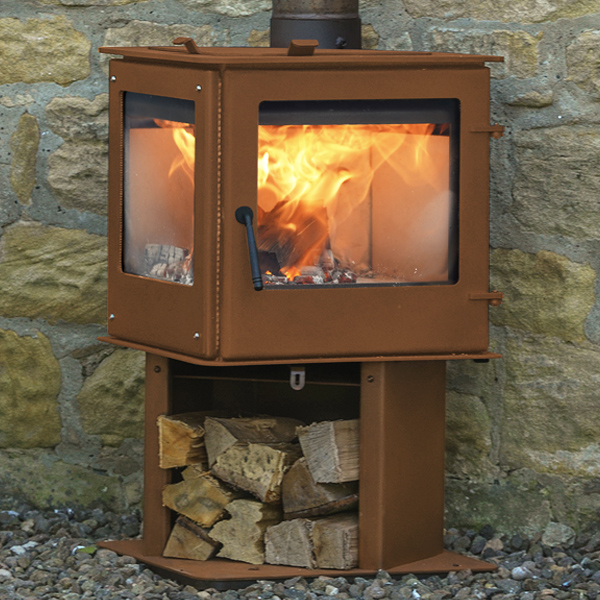
Green cooking stoves are designed to enhance sustainability in mind, notably decreasing pollutants in contrast to traditional cooking methods. By employing advanced burning methods plus cleaner fuels, such stoves produce lower levels of carbon monoxide as well as airborne particles. This improvement plays a significant role in combating air quality issues, particularly in metropolitan regions in which the emissions produced by conventional stoves adds to medical concerns. In this way, eco stoves are not limited to provide a more hygienic culinary experience but also assist in fighting the greater issues related to climate change.
The use of eco stoves can lead to a considerable drop in the overall carbon footprint of homes. Many eco-friendly models make use of green materials, like biomass and recycled materials, to power their operations. Shifting to renewable energy sources implies that households can reduce their usage of traditional energy sources. Consequently, a widespread move towards eco stoves can lead to major ecological advantages, such as conservation of natural resources and decreased emissions of greenhouse gases, ultimately fostering more sustainable communities.
Moreover, eco stoves support the idea of living sustainably through the promotion of thoughtful energy practices and efficient waste disposal. Many eco stoves are designed to be energy-efficient, maximizing thermal efficiency and lowering fuel consumption. Such efficiency is not limited to translates to cost savings for consumers and promotes the thoughtful use of resources. As a growing number of people acknowledge the importance of eco stoves, their role in encouraging eco-friendly habits can contribute to larger trends in consumer habits, paving the way for a more environmentally friendly future for our kitchens and other areas.