

Your pieces of furniture has a crucial role in the style and coziness of your living space. But, over time, the upholstery can collect grime, spots, and odors that lessen its look and harm the quality of air inside. Refreshing your pieces of furniture through efficient upholstery cleaning can entirely alter the appearance and feel of your home. Whether you are a homeowner looking to keep up your favorite sofa or a business owner wanting to create a positive impression on clients, understanding the nuances of upholstery cleaning is essential.
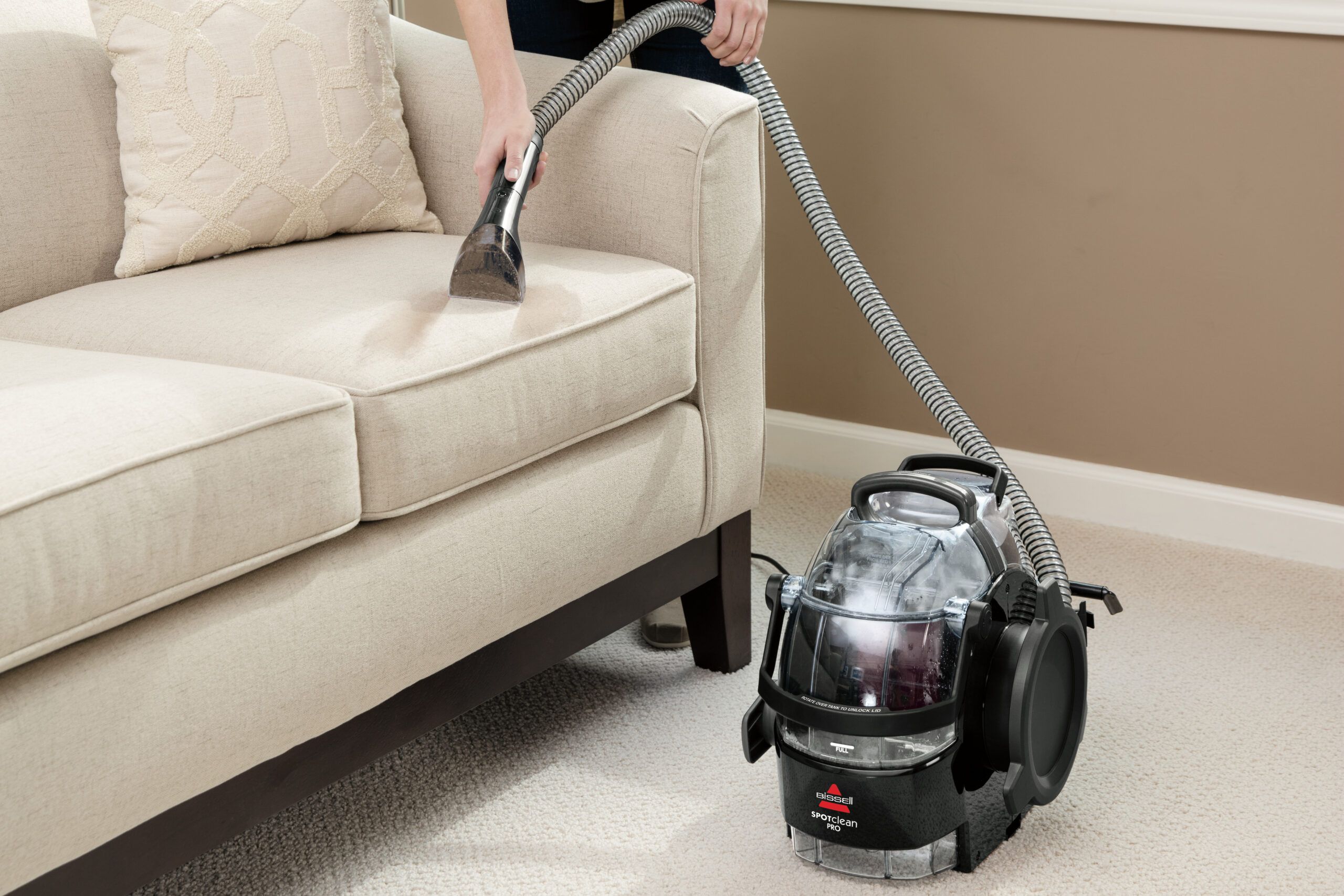
In this guide, we will provide expert tips and techniques tailored to both DIY enthusiasts and those considering professional services. From recognizing common spots and selecting the right cleaning agents to learning about the perks of ongoing care, we address all the information you should know. You will discover how to keep your upholstery looking fresh, how frequently to maintain it, and plus some eco-friendly methods to create a clean environment for you and your family. Let’s dive into the definitive guide to upholstery cleaning for homeowners and find out how to lengthen the lifespan of your furniture while enhancing the overall ambiance of your living space.
Crucial Furniture Maintenance Strategies
Furniture maintenance starts by determining your type of material involved. Different materials call for different cleaning approaches and agents to avoid harm. After you know the material type, check for any particular cleaning recommendations from the manufacturer, as this will direct your cleaning routine.
For general care, begin by vacuuming your furniture thoroughly to eliminate debris, soil, and animal hair, making sure to use the right nozzle to prevent snagging the material.
For stain cleaning, make a cleaning solution that is suitable for the material. A combination of soft dish soap and warm water is often effective for a majority of materials. Test the solution on a discreet area first to look for adverse effects. When applying cleaning mixture, utilize a non-abrasive cloth, moving from the edge of the stain toward the middle to prevent spreading. Gently blot rather than rub, which can damage the material fibers. Rinse with a fresh cloth dampened with water to get rid of all soap remnants.
For intensive cleaning, consider steam cleaning or dry cleaning according to the material's specifications. Great site utilizes hot vapor to extract soil and stains, while dry cleaning is done using solvents that do not use water. If choosing for specialized services, be sure to communicate the exact needs of your upholstery to make certain that the appropriate technique is used. Consistent care will significantly extend the life of your upholstery and maintain it appearing fresh.
Typical Spots and Removal Techniques
Upholstery is often subjected to a number of spots, but understanding how to deal with them can make a significant difference in the total appearance of your upholstered items. Frequent stains consist of food spills, animal mishaps, and dirt. For food spills, it is important to act quickly. Blot the spot with a clean cloth to soak up as much of the liquid as you can, then use a mixture of gentle dish soap and H2O to carefully scrub the spot. Rinse https://fletcher-kristiansen-3.technetbloggers.de/the-ultimate-art-of-upholstery-maintenance-strategies-for-lasting-quality with a damp cloth and blot again to eliminate any soap residue.
Animal stains can be especially challenging, but they can be managed with the right approach. Begin by blotting the spot with a tissue to soak up excess liquid. Use a solution of white vinegar and water, applying it to the damaged area and letting it rest for about 15 minutes. After this, blot the spot again and use a pet odor eliminator if necessary to eliminate any remaining smells. This method helps not just in taking away the stain but also in removing odors associated with animal issues.
For mud stains, the best method is to allow the soil to harden completely before trying to remove it. Once dried, gently scrape off any excess soil with a blunt knife or spoon. Next, vacuum the spot thoroughly to collect remaining particles. For any remaining marks, a mixture of H2O and mild detergent can be used. Use it carefully and avoid drenching the material. This method helps preserve the quality of your upholstery while effectively removing dirt.
Cleaning Guidelines for Householders
Keeping clean upholstery not only improves the appearance of your furniture but also extends its lifespan. One of the most effective methods is to set up a regular cleaning schedule. Cleaning upholstery once a week helps to get rid of dust, dirt, and allergens that can collect over time. Make sure to use a tool designed for upholstery to prevent damaging the upholstery. Additionally, promptly address spills and stains to keep them from setting in. A soft dabbing method is better; simply use a clean, dry rag to sop up the spill without friction, which can spread the stain.
In selecting cleaning products, it is important to select those that are fit for the particular type of material. Always conduct a patch test in an hidden area beforehand to ensure that the product does not cause discoloration or damage. For upholstery and cleaning , a mixture of mild soap and water often works effectively; however, for tougher stains, look for upholstery cleaners specifically formulated for the specific material. Natural products are also a excellent choice for those looking to cut down on their use of harsh chemicals while still effectively cleaning their upholstery.
Finally, consider using stain protectors after cleaning to help guard against stains and make upcoming cleaning simpler. Consistent application of these products can significantly reduce the necessity for deep cleaning sessions. Additionally, knowing when to call in professionals is key. While DIY methods can be effective, difficult stains or expensive pieces may gain from expert treatment, ensuring your upholstery continues in top-notch condition for a long time to come.