

Bidding farewell to a dear one is one of life's most profound trials. The feelings involved can be intense, and the logistics of organizing a funeral can add an extra layer of pressure during an already trying time. Yet, crafting a unique funeral service is not just about fulfilling essential arrangements; it is also an opportunity to celebrate a life well-lived and create memorable memories for those left behind. With thoughtful planning, families can manage the complexities of this process, ensuring that the farewell reflects the individuality of the departed and brings comfort to those who mourn.
In this manual, we will walk you through the essential steps of funeral planning, from understanding your options and budget considerations to the importance of personalization and rituals. By exploring the various facets of the planning process, we aim to provide the tools and insight you need to make informed decisions, allowing you to focus on commemorating your loved one’s legacy while easing the burden on your family during a challenging time. Whether you are preparing ahead or facing a sudden loss, this comprehensive guide will help you approach funeral planning with assurance and clarity.
Key Phases in Funeral Planning
The procedure of arranging a funeral can appear daunting, but breaking it down into distinct steps can alleviate much of the burden. To start, when a family member passes away, it is essential to make an first call to a funeral director. They can guide you through the necessary steps and support you grasp the choices available. After that, assemble important files such as the deceased's will, insurance papers, and any prior arrangements information that may be present. Go to the website is vital as it establishes the groundwork for the planning process.
Once you have made contact with a funeral home and gathered key papers, begin talking about the particular aspects of the service. This includes deciding between between in-ground burial or cremation, deciding on a venue, and determining the type of service—be it traditional or a celebration of life. Consider custom features that reflect the essence and beliefs of your loved one, as these features will make the service more significant and unforgettable for attendees.
As you continue with the planning, develop a checklist to confirm each aspect is included, including notifying to family and friends, choosing readings or music, and ordering flowers. This organized approach allows you to handle the many options involved without getting overwhelmed, providing a clearer path through the sea of emotions of mourning and honoring.
Personalizing the Memorial Experience
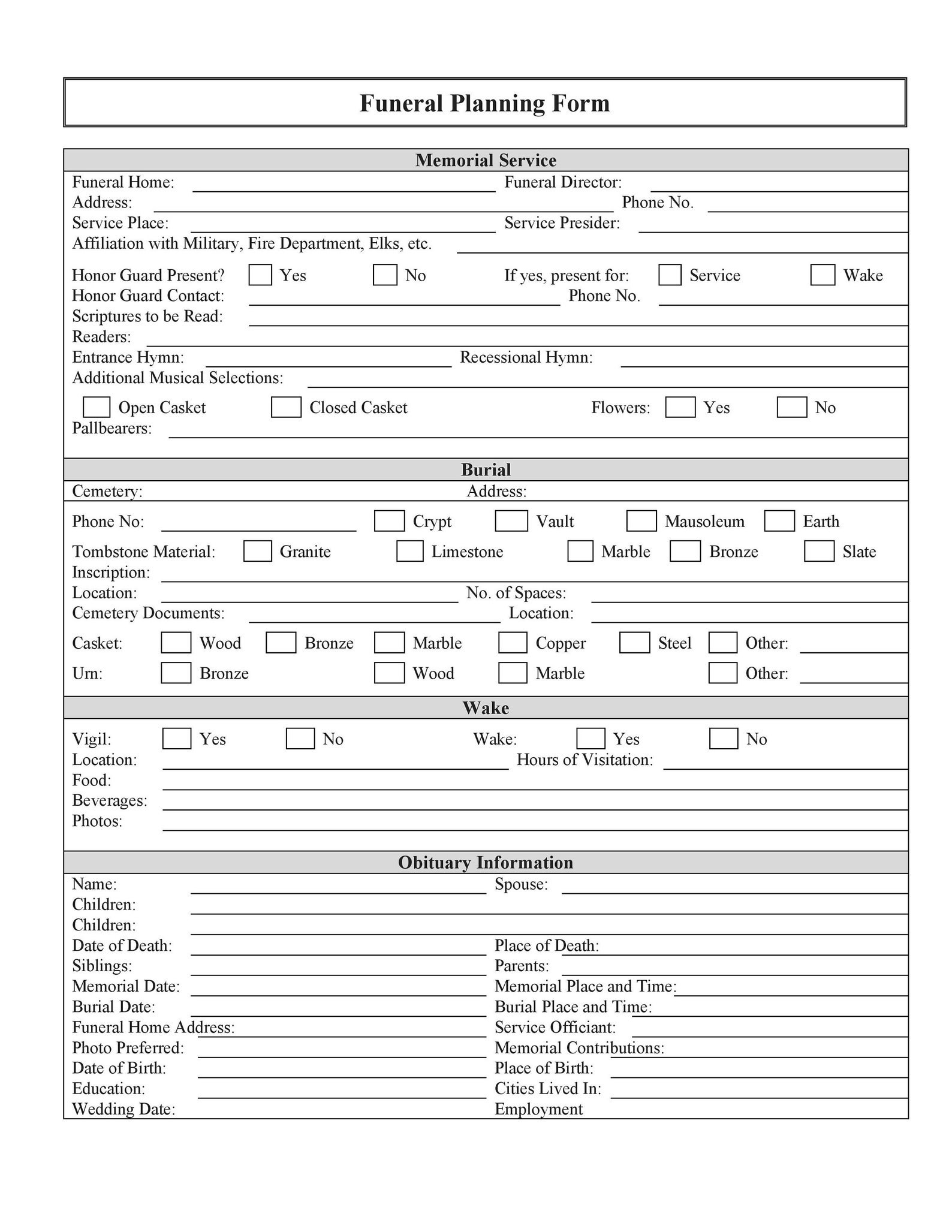
Tailoring a funeral is an crucial way to celebrate the unique life of your loved one, delivering a thoughtful farewell that represents their personality and beliefs. Website link is to select specific themes or icons that were meaningful to the deceased. Adding elements such as beloved blooms, pictures, or keepsakes can create a closer intimate atmosphere. Additionally, choosing songs that resonates with the deceased’s life experiences or that they loved can bring back treasured memories, allowing attendees to connect on a more profound level.
Involving relatives and friends in the planning process can lead to a richer, more personalized service. Encouraging loved ones to share anecdotes, texts, or even participate in the tributes can build a collective memory that everyone can hold dear after the service. Moreover, current services may feature interactive components such as memory boards or multimedia displays that gather images and video clips of important moments, allowing attendees to reminisce and celebrate the individual's journey together.
In conclusion, think about incorporating ethnic or spiritual traditions that reflect the beliefs of the individual and their loved ones. Whether it’s particular customs, prayers, or community gatherings, these elements can offer solace and a sense of unity among attendees. By weaving these tailored details into the funeral, families can create a genuine tribute that honors their deceased's legacy while providing comfort and resolution to those who grieve.
Dealing with Psychological and Tangible Challenges
Organizing a memorial service can be an emotionally taxing task, especially when it follows the passing of a family member. It is crucial to realize that sorrow can cloud decision-making, making it harder to manage logistics and options. Allowing a brief pause to take a breath and reflect on the mourning process is key. Relatives should support one another for assistance, distributing the load of organization to reduce some of the sentimental pressure. It’s important to know that it’s acceptable to experience overwhelmed; permit yourself to seek assistance from people you trust, family, or even support groups.
On the operational front, having a funeral planning list can greatly ease the burden. This checklist should include all necessary items from selecting a mortuary to thinking about burial or cremation options. It’s also important to be aware of the prices involved and what you are spending on, which can minimize surprise financial stress as you explore your options. Utilize resources available, including funeral planners, who can assist with streamlining the organization process and provide support specific to your specific needs.
In addition, societal practices and family traditions play a crucial role in how relatives approach the planning process. It is important to talk about these elements as a family, ensuring that the event honors the deceased in a way that is important to the loved ones. Including unique elements during the ceremony can build a touching tribute that reflects the spirit of the person being remembered. While the planning might seem overwhelming, focusing on the importance of the goodbye can guide choices and promote a feeling of calm during a difficult time.