

Maintaining a garden is not just a task, but a rewarding endeavor that improves the beauty and health of your garden area. For all gardeners, whether experienced or just starting out, grasping the key duties that vary with the seasons is crucial. From the fresh blooms of spring to the serene stillness of winter, each season brings its own set of responsibilities that help your garden prospers year-round.
In this detailed guide, we will explore 30 key garden maintenance tips that every gardener should be aware of. You will learn about the importance of checklists for each season designed to help you manage spring cleaning, management of summer heat, preparing for autumn, and protecting your garden in winter. Additionally, we will delve into specialized topics such as caring for your lawn, controlling pests, and sustainable practices that not only uplift your garden but also enhance the worth of your property. Whether you are a busy homeowner or tending a property for rent, these tips will enable you to establish and maintain a thriving garden with ease. spintax
Crucial Seasonal Maintenance Tips
Spring is the period of renewal and a crucial moment for garden maintenance. Begin Helpful resources by tidying up any clutter that has built up over the winter months. This includes fallen leaves, twigs, and any dead plants. Next, assess your soil health by measuring its acidity and nutrient levels. Incorporate organic matter such as compost to enhance soil structure and fertility. In addition, this is the best time to cut back dead or diseased branches from trees and guarantee robust growth throughout the season.
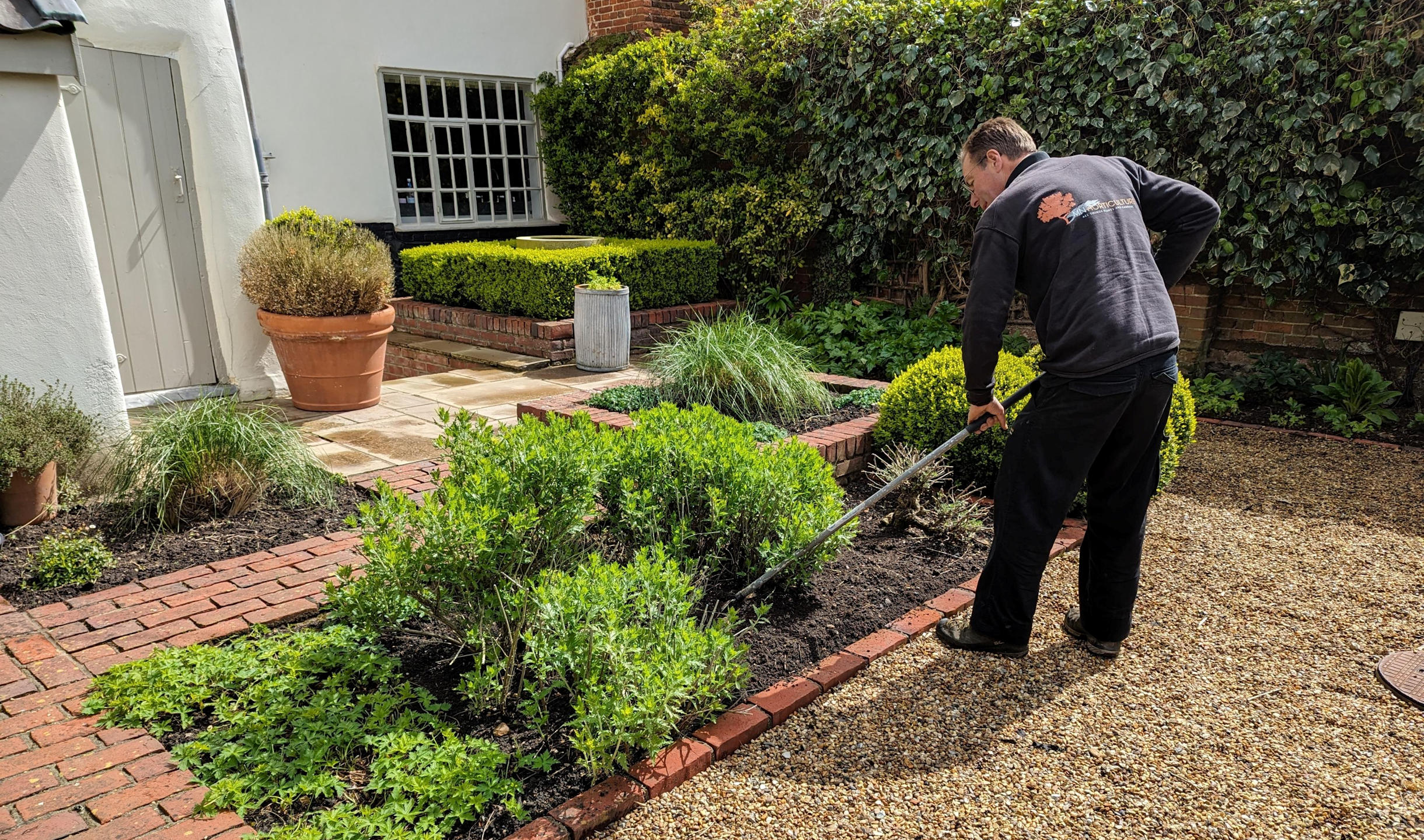
As summer temperatures rise, focusing on watering and hydration is essential. Use irrigation tips for optimal garden maintenance, such as using drip irrigation or soaker hoses to minimize water waste. Regularly monitor your plants for signs of heat stress or pests, and apply organic pest control methods as necessary. Applying mulch around plants will help hold soil moisture and reduce weeds, allowing your plants to thrive during the hot months. Maintaining your garden well-weeded will greatly reduce competition for nutrients and water.
Autumn signals the time to prepare your garden for the cold ahead. Begin with autumn garden maintenance tasks like trimming back perennials and putting in spring-flowering bulbs. Rake up fallen leaves and contemplate adding them to your compost or using them as mulch. This is also an perfect time to check the health of your lawn; fertilizing and feeding it in the fall will ensure a lush carpet come spring. To wrap up, winterize your garden by protecting delicate plants from frost with covers or mulch, guaranteeing they emerge healthy when spring returns.
Yard Maintenance for All Lifestyle
Caring for a garden can be both gratifying and challenging, based on your lifestyle. For busy property owners, embracing a minimal care garden design is crucial. This method focuses on selecting hardy plants that require minimal irrigation and trimming. By implementing self-operating irrigation systems and incorporating native plants, you can create a thriving green space that thrives with minimal effort, enabling you to savor your outdoor space without feeling overwhelmed by maintenance tasks.
For individuals who can dedicate more time to devote gardening, a comprehensive monthly garden maintenance checklist can be beneficial. This allows for planning seasonal tasks, such as trimming, feeding, and removing weeds. Participating in proactive garden care ensures that your plants remain healthy and vibrant throughout the year, while also offering chances for experimentation with various plant combinations and methods. Regular care can also improve your garden's overall appearance and ecological value.
For people with limited space, such as urban dwellers, there are specific strategies to maximize your gardening experience. Pot gardening and upright garden options allow for growing in tight areas while still maintaining a verdant environment. Using adaptable plants that can thrive in limited spaces ensures that you can experience gardening even in a compact area. Applying sustainable practices, such as creating compost and organic pest control, further enriches your city garden while positively impacting to the environment.
Tools and Techniques for Effective Maintenance
Possessing the correct tools is vital for successful garden maintenance. Every gardener should own a fundamental set of tools that includes a quality spade, rake, hoe, pruning shears, and a lawnmower. These tools aid in various tasks, from soil preparation to pruning plants and keeping the lawn neat. Additionally, investing in a good pair of gardening gloves can shield hands while providing a better grip when working with soil or taking care of plants.
Methods play a crucial role in making sure that the maintenance tasks are performed efficiently. Frequent rotating crops in your garden can boost soil health and reduce pest issues. Implementing a mulching strategy not just helps retain moisture but too suppresses weeds and adds nutrients back to the soil as it breaks down. Furthermore, comprehending the specific needs of diverse plants throughout the seasons can aid in effective watering, fertilization, and pest control.
In conclusion, making use of highly functional irrigation systems can vastly boost garden management, particularly during warmer months. Drip irrigation or soaker hoses cut down on water wastage while making sure that plants get adequate hydration. Combining these tools and techniques will not only simplify garden maintenance but additionally enhance the overall health and beauty of your garden throughout the year.