

Within the property development sector, not many aspects can affect a project's success as much as the light access. The concept may seem straightforward, but working through the intricacies of right of light regulations requires careful consideration, particularly in urban environments where space is limited and the demand for construction is elevated. Light access surveys play a crucial role in ensuring that new projects comply with legal requirements, protecting both developers and current property owners from potential disputes that can derail even the best-laid plans.
Understanding the details of these surveys is important for anyone involved in property development, be it an architect, a developer, or a homeowner looking to expand. From the legal consequences of light availability to the potential financial consequences of failing to address light issues in your designs, being informed about light access surveys can help you conserve time, funds, and reduce anxiety. This article will examine what right to light assessments consist of, why they matter, and how they can prevent costly legal disputes, ensuring a more seamless development experience for everyone concerned.
Grasping Right of Light Surveys
Right of Light Surveys are vital analyses executed to ascertain whether a potential construction will infringe on the light enjoyed by existing structures. These surveys assess the level of natural light that comes into a property and analyze how upcoming constructions might hinder this light. Grasping the right to light is paramount for property developers, architects, and homeowners alike, as it significantly affects the usability and value of properties.
The legal system surrounding light rights derives from ages of common law and is rooted in the principle that individuals have a claim to access light for their premises. A light right can be established over time, typically after uninterrupted enjoyment of light for a duration of 20 years. This long-standing principle makes right of light surveys even more significant, as they help spot potential legal concerns that could arise from new development initiatives, ultimately avoiding disputes over light infringement.
Carrying out these surveys early in the development process allows for better planning and design decisions. By locating areas where light access may be hindered, builders can adjust their plans to lessen disruption to existing properties. This proactive approach not only helps avoid costly legal battles but also supports harmonious urban development, guaranteeing all parties can benefit from their spaces without infringing on each other parties’ rights.
Significance of Light Rights in Real Estate Development
Understanding the principle of right of light is vital for property developers as it directly affects the success of their developments. A right of light allows a property owner to receive natural light through specific windows or areas for an continuous amount of time. This legal entitlement can notably affect design decisions, ensuring that new constructions do not infringe on existing rights, which could cause controversies and financial setbacks. Consequently, recognizing the importance of light rights early in the project process aids in developing layouts that acknowledge current structures and their landowners' rights.
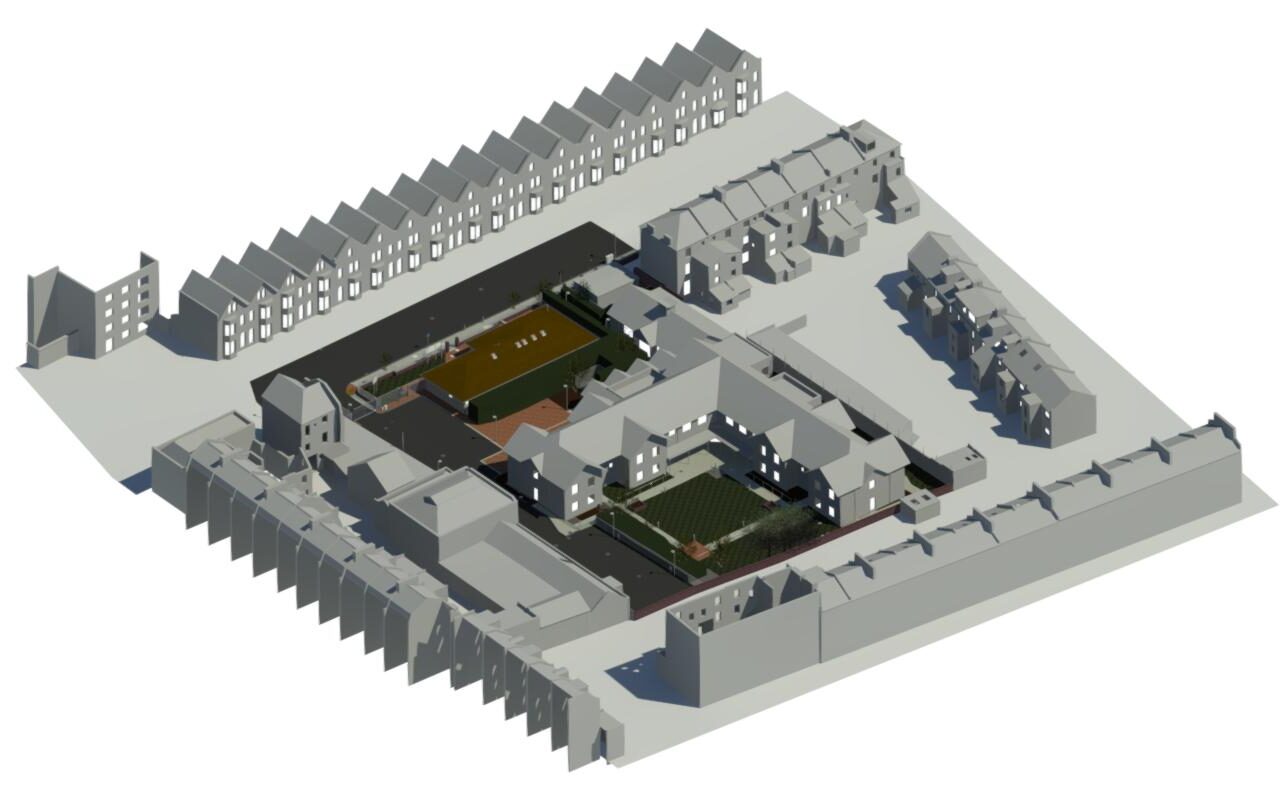
Furthermore, obtaining a right of light survey helps contractors spot future complications before they become problematic. Early identification of restrictions can inform modifications to plans, thus upholding friendly relations with adjacent landowners and avoiding lengthy litigation. This anticipatory method not only enables efficient project management but also reduces the chance of damages that could result from infringing on current rights. Knowledge of light right considerations can ultimately lead to improved development dynamics within urban environments.
In conclusion, the relationship between light rights and property values cannot be ignored. Properties that enjoy adequate natural light tend to be more desirable and fetch greater selling prices. By confirming compliance with light rights legislation, builders not only shield their financial interests but also improve the attractiveness of their developments to potential buyers. A carefully planned strategy to light rights can lead to increased profits and lasting achievement in an increasingly competitive housing market.
Minimizing Risks and Legal Disputes
To reduce risks and avoid litigious disputes regarding right of light, property developers must undertake extensive strategy from the outset. Performing Article source survey early in the development process facilitates the discovery of potential concerns that could occur from neighboring buildings. By comprehending how proposed projects might influence existing light conditions, builders can actively handle any issues and adjust their plans accordingly.
Frequent communication with both light rights consultants and local residents can additionally lessen risks. Engaging in discussions about potential projects can help clarify the implications on rights to light, leading to misunderstandings that may result in litigation. This cooperative approach not only builds closer community bonds but also ensures that all stakeholders are aware of their entitlements and any potential changes that might impact light access.
In conclusion, keeping good records and legal advice throughout the development can significantly lessen the chances of litigation arising. Accurate records of evaluations, plans, and correspondence with involved parties serve as a protection in case legal challenges occur. Confirming compliance with right of light legislation and rules sets a sturdy foundation that shields against litigious challenges, ultimately conserving time, money, and resources in the end.