

Tending to a garden all throughout the year is both fulfilling and challenging experience for property owners. Each season brings its own set of tasks and considerations that are crucial for keeping the garden in good condition and colorful. Regardless of whether you are an experienced gardener or a novice to the world of plants, understanding the details of garden maintenance is key for reaching the best results. This guide will provide you with 30 key tips that cover all element of garden care, making sure that you are well-prepared for whatever the seasons may bring.
From spring cleaning the garden beds to protecting your plants from winter frost, every season requires particular attention and care. You will discover handy checklists and expert advice customized to each time of year, as well as approaches for maintaining good soil and tackling pest issues. For those with busy lives, we will also explore easy-care garden designs and efficient irrigation tips that match a modern lifestyle. No matter if you're managing a tiny urban garden or a vast landscape, this ultimate guide will arm you with the knowledge needed to care for your green space year-round.
Seasonal Garden Maintenance Essentials
Effective garden maintenance requires adapting your approach to the changing seasons. Each season presents unique challenges and opportunities for your garden, making it essential to follow a seasonal checklist. In spring, begin by clearing debris, testing soil health, and applying a fresh layer of mulch. This sets the stage for rejuvenating plant growth after winter dormancy. Additionally, planting new seeds and seedlings during this time will encourage a vibrant and lush garden throughout the warmer months.
Summer demands a focus on hydration and pest management as temperatures rise. Regular irrigation and efficient watering techniques are crucial for keeping plants healthy amid the heat. Monitor for weeds and pests, employing organic pest control methods whenever possible. Regularly deadheading flowers will also promote continuous blooms, ensuring your garden remains colorful and inviting all season long. Don’t forget to adjust your fertilization routine based on the plants’ growth stages, as this will help maintain overall health and vigor.
Autumn is the time to prepare your garden for the colder months ahead. Key tasks include pruning perennials, dividing overcrowded plants, and planting cover crops to enhance soil health. Raking fallen leaves not only keeps your garden tidy but can also be composted for added nutrients. Before winter sets in, consider mulching around plants to protect roots from frost and cold weather. These important autumn tasks will enable your garden to thrive come spring, ensuring a seamless transition between the seasons.
Essential Tools and Techniques
Utilizing the appropriate tools is essential for effective garden care. A strong pair of hand protection safeguards your hands while working with soil and plants. A collection of trimming shears is essential for maintaining your vegetation in good shape, allowing you to cut away dead or overgrown branches. Additionally, a hoe and a garden rake can assist you manage weeds and maintain your garden tidy. Investing in a good-quality hose with variable nozzles will ensure that your vegetation get the right amount of water without unnecessary loss.
Appropriate techniques can improve your garden maintenance efforts considerably. For instance, learning the proper way to mulch not only prevents weeds but additionally aids retain moisture in the soil. Grasping the technique of staggered planting can help your plants thriving by maximizing the use of space and nutrients. Regularly checking earth condition is equally crucial; using simple tests can help you determine when to modify your soil, ensuring your plants possess the nutrients they require to flourish.
Additionally, establishing a maintenance schedule using seasonal checklists can help you organized throughout the year. Each season presents distinct challenges; for instance, the spring season demands plant-checking and fertilization, while fall concentrates on getting ready for frost. By anticipating and using effective tools and methods, you can simplify your garden care routine and enjoy a lush garden throughout the year.
Lawn Maintenance for Different Ways of Living
Various lifestyles require varying levels of garden maintenance, and it is essential to customize your approach based on your available schedule and energy. For hectic homeowners, creating a low-maintenance garden design can significantly reduce the time spent on maintenance. Incorporating native plants, which are well-suited to your local ecosystem, can minimize irrigation and pest control needs. Implementing a drip irrigation system can also conserve time and guarantee effective irrigation, allowing you to enjoy your garden without the ongoing burden of upkeep.
For those who live in smaller urban spaces, efficient garden maintenance may revolve around planter boxes or vertical gardens. These methods not only maximize small space but also allow for easier access and care. Regular monitoring for pests and ground condition becomes essential to ensure the garden thrives despite environmental issues. Even with limited space, adding some periodic tasks, such as pruning and fertilizing, can improve the beauty and well-being of your green space.
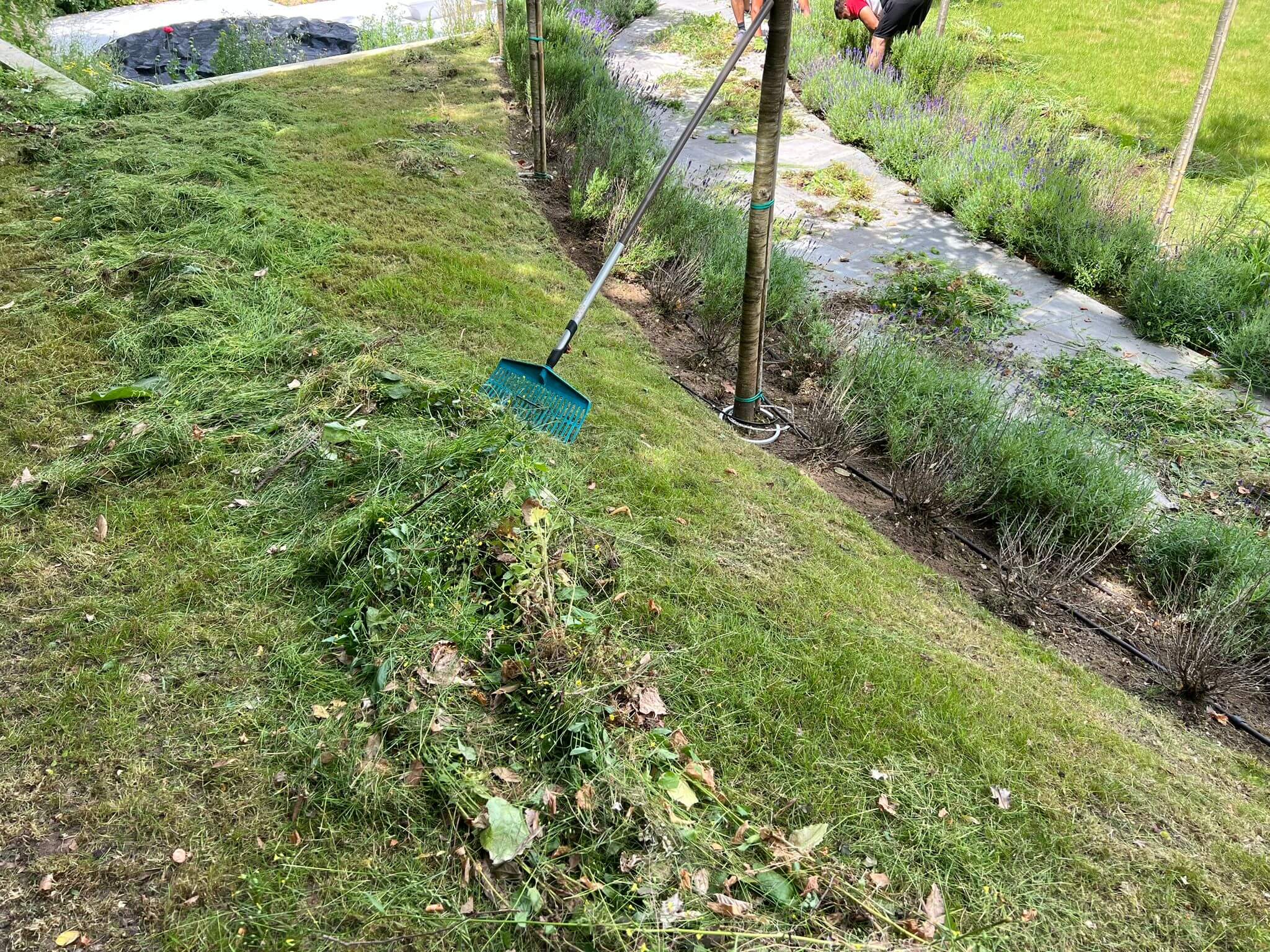
On the other hand, rental property owners and commercial landscapes have unique maintenance requirements. It is important to create a garden maintenance plan that adheres to the premises' conditions and the customers' expectations. Focusing on eco-friendly practices, such as composting and organic insect management, can appeal to environmentally conscious renters or clients. Additionally, Click here to find out more can help keep gardens in optimal condition, protecting property value and boosting the overall appeal for those enjoying the area.