

Transforming your sitting area into a movie room is an invigorating journey that can boost your viewing pleasure to new heights. By setting it up correctly, you can watch your favorite films, television programs, and video games with gorgeous visuals and immersive audio, all from the coziness of your own home. Whether you're a film buff or a athletic aficionado, a properly configured home cinema can transform an ordinary space into an unforgettable destination.
In this guide, we will walk you through all the essentials you need to know about home cinema installation. From designing and design to installation tips and potential issues, we'll cover the fundamental points to help you build the perfect home cinema environment. You will discover about the multiple setups, how to select the appropriate tools, and whether it's best to do it yourself or bring in an expert. With our knowledgeable tips, you will be prepared to convert your living room into the finest movie venue.
Planning Your Home Cinema Installation
While planning your home cinema installation, the first step is to assess the space you have to work with. Consider the dimensions and layout of the room, the positioning of windows, doors, and furniture. This initial evaluation will assist decide what type of equipment you can use and how to arrange the room for best viewing. It’s vital to sketch a rough layout to visualize where everything will be positioned.
Next, you should think about the intention of your home cinema. Are you mostly watching movies, gaming, or viewing sports? This will affect the equipment you choose, such as the type of projector or screen, sound system, and seating arrangements. Setting clear goals will enable you to make informed decisions when it comes to your budget and equipment selection.
To wrap up, it’s essential to create a detailed checklist of everything you need for the installation. This includes the elements like the screen, projector, speakers, and cabling, as well as factors for acoustics and lighting. Having Hop over to this website ensures that you address all aspects before starting the installation, which can simplify the process and help you avoid common mistakes later on.
Designing the Ultimate Home Cinema Space
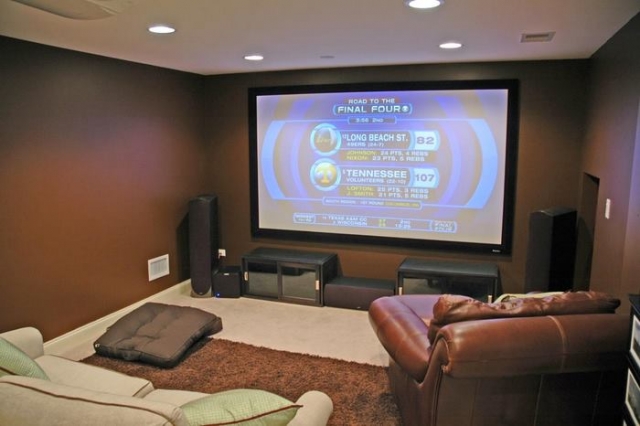
To establish the ideal home cinema, start by choosing the right room. Preferably, you want a space that is distant from noise and distractions, with ample size to fit both your screen and seating arrangements effectively. Darker rooms are better, as they boost the viewing experience by minimizing light reflections. Keep in https://steffensen-noer.thoughtlanes.net/enhancing-the-room-smart-house-cinema-setup-tips of the space and remember a wider room typically provides a more immersive experience.
Afterward, pay close attention to the layout and seating arrangement. Position the seating at an appropriate distance from the screen, usually about 1.5 to 2.5 times the screen size, for the best perspective. Confirm that all seats have an unobstructed view of the screen to enhance comfort and enjoyment for everyone. Adding tiered seating can also improve visibility for those seated further back, making the experience enjoyable for all viewers.
Ultimately, don't overlook the importance of sound and acoustic treatments in your design. The room's acoustics can greatly affect audio quality, so use carpets, curtains, and acoustic panels to help absorb sound and minimize echoes. This creates a more immersive audio environment, essential for a true cinema experience. By thoughtfully designing your environment with these considerations in mind, you'll be on your way to having an impressive home cinema setup.
Installation Options: Do-It-Yourself or Professional
When considering a home theater installation, one of the first choices you’ll need to make is whether to go the Do-It-Yourself route or hire a professional. Do-It-Yourself installations can be appealing for those who enjoy hands-on projects and have some technical knowledge. With a wide range of resources available online, you can find guides and tutorials that provide detailed guidance for setting up your system yourself. This option can also be budget-friendly, allowing you to allocate your budget towards more premium equipment.
On the flip side, hiring a specialist can be time-saving and ensure that your installation is done properly. Professionals have the expertise to optimize the audio, picture quality, and overall layout of your home theater. They can also tackle complex installations that require integrating advanced technologies or accommodate unique room layouts. Additionally, many experts offer warranties on their work, providing peace of mind in case anything goes wrong.
Ultimately, the decision between DIY and professional installation depends on your comfort level with technology, your budget, and the unique requirements of your room. If your setup is simple and you are comfortable in your skills, a DIY approach may work well. However, for big projects, or if you want to ensure top-notch performance without the hassle, hiring a professional might be the best path forward.