

Every property owner cherishes the beauty and canopy that wooded plants provide, but these majestic organisms also demand consistent care and nurturing. Meet the tree surgeon, a specialist who holds the knowledge and tools needed to uphold tree well-being, security, and aesthetics. From regular pruning to urgent removals, tree surgeons function a vital role in preserving the environment of our properties and societies. Grasping when and why to reach out to these specialists can preserve you time, funds, and maybe even your assets.
In this article, we will investigate the routine life of a tree surgeon, showcasing the key tasks they perform and the clues that suggest your plants may need specialized help. Whether you are wanting to comprehend the complete guide to tree care or discover how to tell if a tree is unsafe, we’ll cover all you need to understand about tree health. You will also uncover the importance of routine tree inspections and the advantages of employing a professional for expert services. Join us as we explore the fascinating world of tree surgery and expose the insights to keeping your trees robust and safe.
Signs That Your Tree Requires Attention
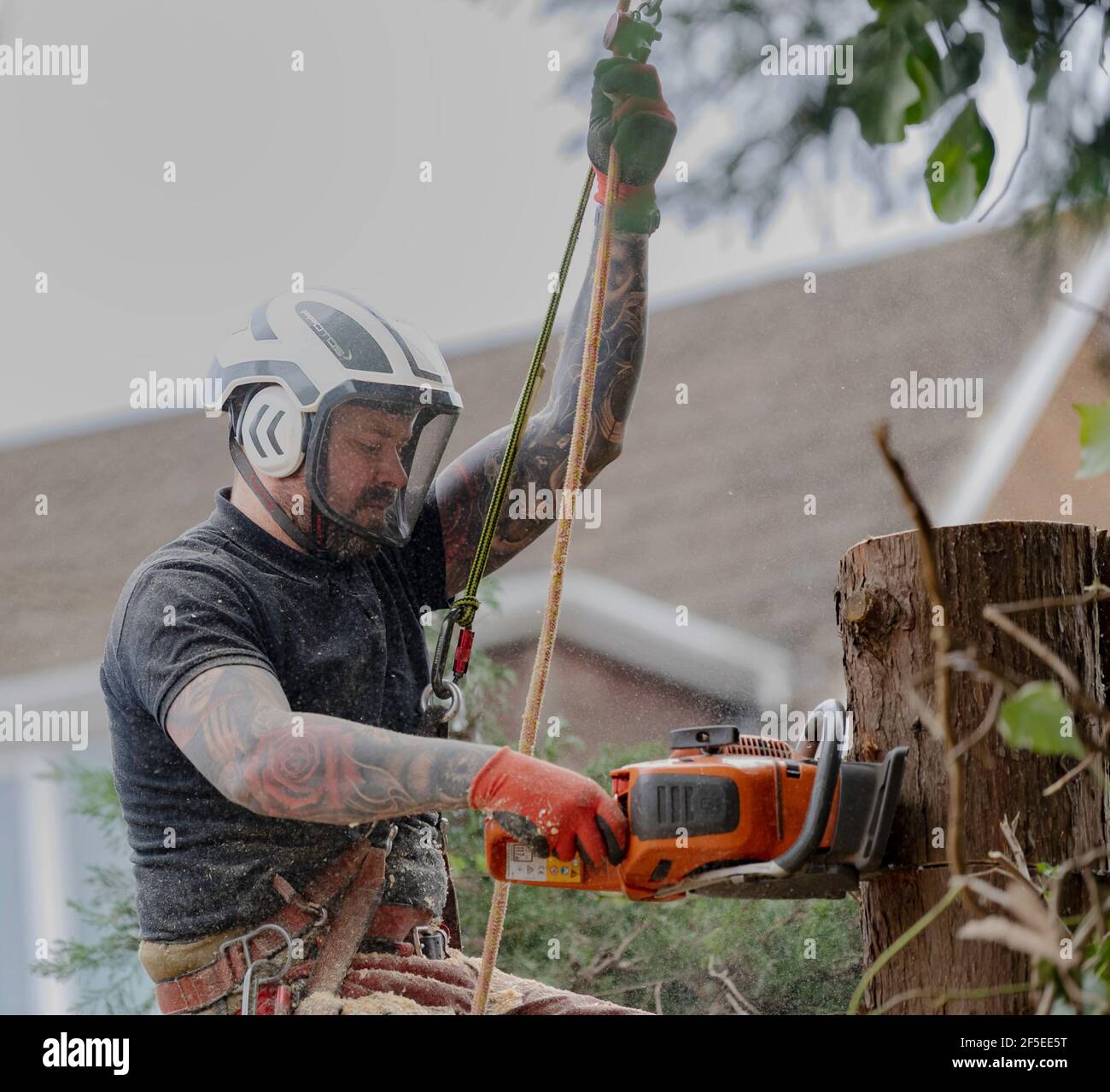
Trees are vital components of our environment, but not all trees are in good condition. If you observe wilting leaves, discoloration, or dead branches, these can be signs that the tree needs professional attention. A tree that is losing its leaves prematurely or developing strange spots or lesions may be experiencing pests, diseases, or inadequate care. Identifying these signs early is essential to maintaining the health of the tree and preventing possible hazards.
Another key sign to watch for is an unusual growth pattern. If a tree leans dramatically or displays significant trunk damage, it may pose a risk to the property and the safety of those around it. Cracks and splits in the trunk, especially if associated with the presence of mushrooms or a soft trunk, can indicate internal decay. Such structural issues should prompt a call to a tree surgeon before they lead to more severe problems.
Seasonal changes can also have a role in the tree's health. During winter, keep an eye out for broken branches caused by snow and ice buildup, while summer may reveal problems due to drought stress or overexposure to heat. Frequent inspections can help you notice these changes and suggest on the proper course of action, such as pruning, treatment, or removal.
Tree Care and Management
Adequate tree maintenance is crucial for maintaining the well-being and durability of trees in your landscape. Frequent check-ups can help identify problems before they become serious, such as pest infestations, disease indications, and structural issues. Homeowners should be vigilant for 10 signs that their trees need specialized attention, including obvious decay, dried limbs, or leaning trunks. By staying proactive, you can avoid potential hazards and costly removals down the line.
Tree care involves a range of activities, from routine trimming to seasonal preparations. Understanding the variation between tree trimming and tree pruning is key; while trimming focuses on the appearance and health of the leaves, pruning targets overall tree health through specific cuts to promote development. Additionally, knowing how frequently to have your trees trimmed can significantly impact their strength. Regular maintenance not only enhances the visual quality of your landscaping but also contributes to tree robustness and resilience against adverse weather conditions.
The significance of winter preparation cannot be understated. Homeowners should learn how to prepare their trees for winter to reduce injury from snow and ice. Protecting trees during stormy weather is just as important, as overgrown branches can pose serious risks. Regular maintenance is not merely about appearance; it safeguards your property, contributes to the nature, and ensures that your trees can flourish for years to follow.
Engaging a Tree Surgeon
When considering whether to employ a arborist, it is crucial to assess the specific needs of your plants. Look for indicators that suggest professional help may be required, such as decayed branches, leaning trunks, or excessive pruning needs. These indicators often mean the tree needs additional care ; it may need expert attention to safeguard its health and safety. Understanding the potential risks associated with your plants can assist you in forming an educated choice about obtaining specialized care.
Once you've identified the requirement of hiring a tree surgeon, take the time to explore and select a qualified professional. Look for arborists with certifications and a solid standing in your area. Reviews and testimonials can give information into their competence and dependability. Additionally, consider posing particular inquiries regarding their history, liability protection, and safety protocols. This will ensure that the service you receive is both professional and secure.
Finally, be willing for the costs associated with arboricultural services. Tree removal and related tasks can vary widely according to factors like the height and location of the plant, as well as the intricacy of the work. Getting multiple bids can aid you assess a fair rate for the services offered. By investing in a capable arborist, you enhance not only the protection and aesthetics of your estate but also support to the ongoing well-being of your trees.