

Boat covers are a crucial investment for any boat owner, providing protection against the elements and prolonging the life of your vessel. However, once they have completed their job safeguarding your boat, many people overlook their potential for imaginative repurposing. Instead of discarding an old boat cover, consider the myriad of innovative ways it can be reused. From designing special outdoor furniture to creating protective gear for gardening, the opportunities are extensive and diverse.
In this article, we will examine a range of inventive uses for old boat covers that go beyond the boat itself. You might be astonished to find how these resilient materials can achieve new life in varied forms, helping you save money and reducing waste. Whether you’re a DIY lover or just looking for practical uses, you will uncover inspiring ideas to reinvigorate your old boat covers. Let’s dive into the world of creativity and sustainability and convert what may look like discarded canvas into a valuable creation.
Selecting the Appropriate Boat Cover
Selecting the right boat cover is essential for safeguarding your financial commitment. The appropriate cover not only protects your vessel from the elements but also helps maintain its worth over time. Start by taking into account your boat model, dimensions, and environment. Custom and universal boat covers are available, and understanding the differences between them can greatly affect your decision. Boat Cover Preston Lancashire are tailored to fit your boat’s dimensions, providing the best protection, while universal covers may save money but may not be as snug as well.
When selecting a boat cover, it’s also important to consider the fabrics used. Various fabrics offer different levels of strength, ventilation, and moisture resistance. Popular options include polyester, nylon, and cotton. Each material has unique benefits; for example, polyester is light yet strong, while canvas provides excellent durability. Evaluate your boating conditions, as saltwater exposure and UV rays will necessitate a more durable cover for long-term safeguarding.
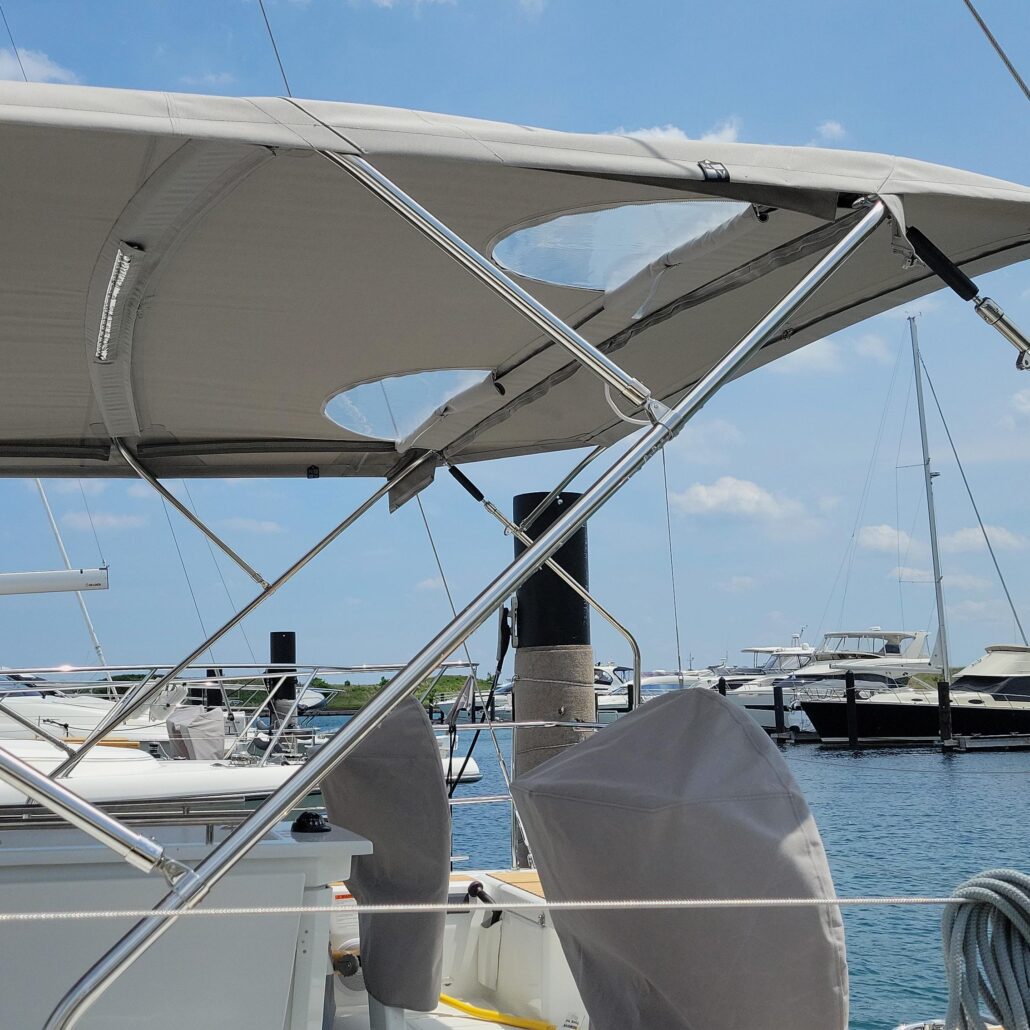
In conclusion, take measurements of your boat accurately to ensure correct fit. A cover that’s too big can result in water pooling and an increased risk of harm, while one that’s too small may not fit over accessories like trolling motors or devices. Use https://notes.io/ev81E measuring tape to obtain precise dimensions of your boat’s length, breadth, and altitude. Remember that investing in high-quality features, such as strong seams and UV protection, will extend the longevity of your cover and ultimately your boat.
Upkeep and Protection for Boat Covers
To guarantee durability and maximum performance, regular maintenance and care of your cover for your boat are essential. Begin by washing your boat cover often to remove dirt, mold, and mold growth. Use a mild soap solution and a soft brush to gently clean the fabric. Avoid harsh chemicals that can degrade the material. After cleaning, rinse well with clean water to prevent soap residue from attracting dirt. Allow the cover to dry fully before storing it, as dampness can lead to mildew growth.
Check your cover regularly for signs of wear and tear, such as frayed edges, compromised seams, or minor tears. Addressing these issues promptly can prevent larger issues in the future. If you notice any small tears, consider using a marine-grade patch or seam sealer made for your cover. These fixes can prolong the lifespan of your cover and save you from needing a new one earlier than necessary.
When not in use, store your boat cover in a cool, arid place away from direct sunlight. Prolonged contact to UV rays can cause the material to degrade and lose its protection. Use a storage bag that’s breathable to prevent moisture buildup. If your cover has been used in salty water, it's a good idea to rinse it with fresh water before storage to stop salt corrosion and damage. By adhering to these maintenance tips, you can maintain your boat cover in excellent shape and ensure it continues to protect your boat effectively.
Boat Cover Options and Considerations
When picking a boat cover, it is crucial to consider the category of boat you possess. Various boats, such as angling boats, pontoon boats, and performance boats, have unique shapes and uses. Therefore, the cover must be well-fitted to ensure best protection from the elements like precipitation, ultraviolet radiation, and dirt. Personalized boat covers may offer a perfect fit, but one-size-fits-all covers can provide a more budget-friendly option, especially for simpler designs. Understanding your boat model will help in picking the best protective cover.
Material plays a crucial role in the durability and performance of a boat cover. Typical fabrics include polyester, cotton canvas, and reinforced vinyl. Each material has its advantages; for example, polyester is featherlight and simple to use, while vinyl provides excellent waterproof capabilities. When weighing waterproof vs water-resistant options, it’s crucial to evaluate your local weather conditions. Putting Click here for info in durable fabric will make certain that your cover endures the test of time and protects your boat successfully.
Don’t ignore the value of features such as air permeability and ultraviolet protection. Breathable covers help prevent mildew and mildew by allowing dampness to escape while maintaining cover integrity. UV protection is essential for protecting the color and condition of your boat, particularly if it’s left in the open. Spend time to investigate and compare various boat cover features to find the ideal solution that fits your requirements and budget, ultimately lengthening the lifespan of your boat.