

Within the dynamic environment of building, cutting-edge techniques are constantly altering how projects are managed and carried out. One such method, vacuum-based excavation, is gaining momentum as a better alternative to old-fashioned digging methods. This cutting-edge technology not only enhances productivity but also considerably increases protection and sustainability. As the construction field contends with the challenges of urban growth and the growing intricacy of subsurface utilities, understanding the details of vacuum excavation becomes professionals striving to remain at the vanguard of current construction practices.
Vacuum excavation functions on the basis of non-destructive digging, using strong suction to remove soil and debris while preserving subsurface services and structures. https://gmaccontractors.com/best-vacuum-excavation-ireland/ has been demonstrated to be a game changer for a range of applications, including service installation, potholing, and care of water management systems. As we explore the various advantages of vacuum excavation, it becomes evident why it is revolutionizing construction sites across the globe, resulting in work safer, quicker, and more cost-effective. Whether you are a builder, designer, or construction supervisor, the insights from this comparative analysis will provide a thoroughly detailed understanding of how vacuum excavation is distinct from old methods, leading to superior project outcomes.
Understanding Vacuum Excavation
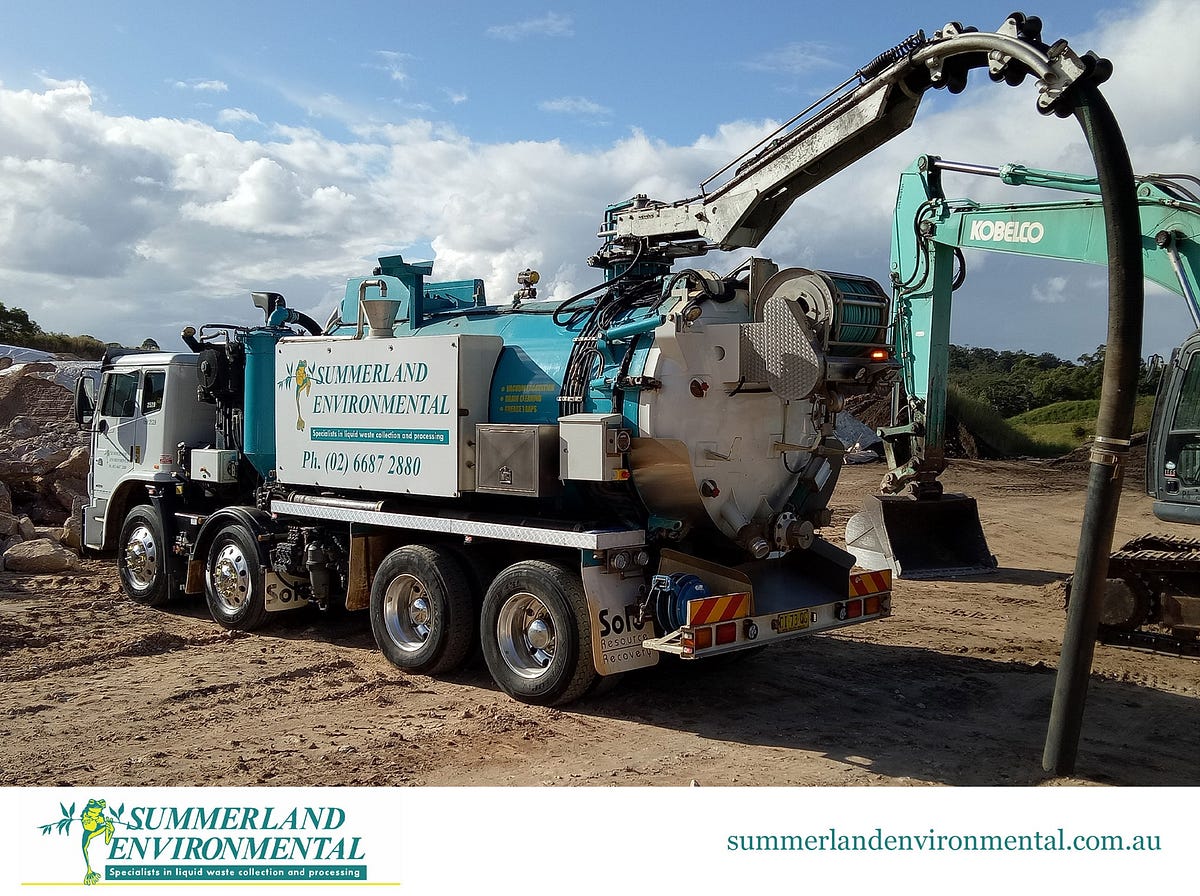
Vacuum digging is an innovative technique that uses robust vacuum to remove soil and debris from construction sites, rendering it a non-destructive method for excavating. This method requires a suction truck equipped with a high-strength vacuum, which simultaneously excavates and collects the material. The system is designed to reduce damage to underground utilities and structures, allowing for secure and smooth excavation in diverse environments.
The operation of suction excavation relies on a mix of pressurized air or water and a vacuum system. Pressurized air or water is forced into the ground, breaking up the soil and creating a slurry, which is then drawn into the vacuum tank. This approach enables precise excavation, especially when working near sensitive infrastructure such as electrical lines, gas pipelines, and water mains. As a result, suction excavation is increasingly acknowledged for its productivity and safety.
With the rise of urban development and infrastructure projects, vacuum excavation has emerged as an crucial solution for modern construction challenges. It not only supports the installation and maintenance of utilities but also reduces the disruption to surrounding areas, making it an optimal choice for projects in densely populated cities. As this technology continues to evolve, it is transforming the way construction and utility work is approached, highlighting the need of safety and environmental protection.
Advantages Over Traditional Methods
The process of vacuum excavation offers notable advantages over conventional digging methods by providing a less damaging approach to excavating below the surface. Unlike conventional excavation techniques that can damage the surrounding soil and vegetation, vacuum excavation uses suction to remove soil, minimizing damage to the site and preserving the integrity of existing structures and utilities. This method is particularly advantageous in urban environments where infrastructure is crowded, allowing for precise excavations without the hazards associated with digging.
Another benefit is another key advantage of vacuum excavation. Conventional techniques often pose more hazards of accidents and injuries due to the potential for trench collapses or accidental strikes on buried utilities. Vacuum excavation significantly reduces these risks by providing better insight of underground utilities through its non-invasive approach. This leads to increased safety on-site and improves compliance with safety regulations, making it a favored method for many contractors.
Additionally, vacuum excavation can lead to substantial cost savings and improved project timelines. The effectiveness of this method allows for quicker digging, which translates to less project delay. By lessening disruption and avoiding expensive utility damages, projects can be completed more swiftly and within budget. Overall, the benefits of vacuum excavation make it a game-changing solution for modern construction, offering greater safety, efficiency, and precision compared to conventional techniques.
Uses and Best Practices
Vacuum digging is widely utilized across diverse sectors due to its effectiveness and exactness. It is crucial in public utility and pipeline installation, where preserving existing below-ground utilities is vital. This method allows for accurate potholing and utility location, lessening the risk of damaging important infrastructure. Additionally, vacuum excavation is often employed in metropolitan projects, particularly where room is constrained and conventional digging methods may not be practical.
Recommended methods for risk-free vacuum excavation operations involve detailed planning and execution. Operators should conduct initial assessments to identify existing utilities and create a robust safety protocol. Utilizing proper equipment, such as suction trucks equipped with hydraulic or air excavation tools, enhances efficiency and guarantees the security of nearby infrastructures. Training for personnel on the operation of vacuum excavation equipment and adherence to safety regulations are essential in maintaining a protected job site.
The ecological benefits of vacuum excavation cannot be exaggerated. By minimizing soil displacement and lessening the need for restoration, this method results in a diminished ecological impact. Moreover, its gentle nature allows for better protection of surrounding vegetation and reduces the disturbance to the local ecosystem. As industries growingly recognize the benefits of vacuum excavation, its acceptance continues to grow, facilitating advanced techniques and technologies in future construction projects.